E-Invoicing Malaysia Guidelines
Explore the intricacies of E-Invoicing in Malaysia through this comprehensive guide. Delve into the benefits, compliance requirements, implementation steps sap b1, key features, and adoption tips for successful integration.
Stay informed and empowered as you navigate the realm of electronic invoicing to streamline your business processes and enhance efficiency.

Benefits of E-Invoicing in Malaysia
Implementing e-invoicing in Malaysia streamlines the invoicing process, reducing manual errors and enhancing efficiency for businesses. By digitizing the invoicing system https://aspert.com.my/solutions/sap-business-one/, companies can save time and resources previously spent on manual data entry and processing.
E-invoicing also promotes sustainability by reducing paper usage and cutting down on physical storage needs. Additionally, the automated nature of e-invoicing ensures faster payment processing, improving cash flow for businesses.
With the implementation of e-invoicing, organizations in Malaysia can enjoy increased transparency in their financial transactions, leading to better decision-making. Overall, the adoption of e-invoicing not only modernizes business operations but also paves the way for a more efficient and environmentally conscious future.
Compliance Requirements for E-Invoicing
To ensure adherence to e-invoicing regulations in Malaysia, businesses must meticulously comply with specific documentation and data standards. Companies are required to generate e-invoices in a structured electronic format, adhere to the prescribed data fields, and ensure the authenticity and integrity of the invoice content.
Additionally, it is crucial to obtain recipient consent before issuing e-invoices and maintain proper records for auditing purposes. Businesses need to implement secure e-invoicing systems that guarantee the confidentiality of sensitive information and protect against unauthorized access.
Steps to Implement E-Invoicing
Businesses in Malaysia must adopt a systematic approach to implementing e-invoicing to ensure compliance with regulatory standards and enhance operational efficiency.
The first step is to assess the current invoicing processes and identify areas suitable for e-invoicing integration.
Next, select a reputable e-invoicing service provider that aligns with the business’s needs and offers a secure platform for electronic invoicing.
Once a provider is chosen, businesses should customize e-invoicing templates to reflect their branding and ensure consistency in communication.
It is crucial to train staff on using the new e-invoicing system efficiently and securely.
Lastly, conduct regular evaluations to measure the effectiveness of e-invoicing implementation and make necessary adjustments for continuous improvement.
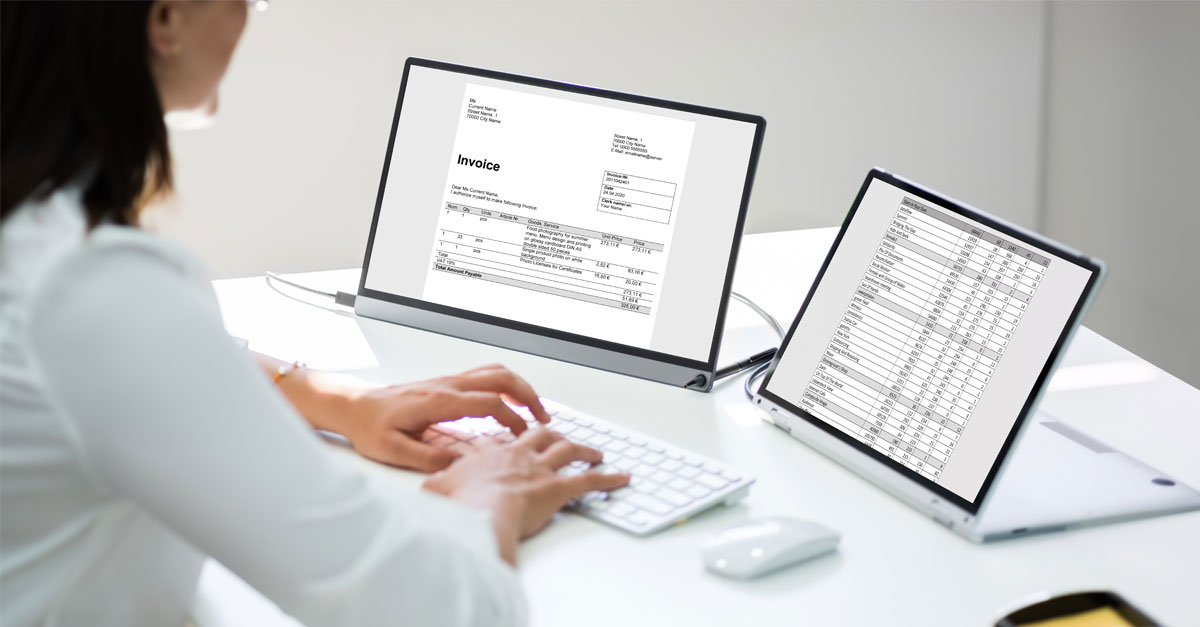
Key Features of E-Invoicing Guidelines
An essential aspect to consider when implementing e-invoicing in Malaysia is the incorporation of key features outlined in the guidelines. These guidelines emphasize the importance of ensuring authenticity, integrity, and confidentiality of electronic invoices.
One key feature is the requirement for invoices to be digitally signed using advanced electronic signatures to guarantee their validity. Additionally, the guidelines stress the necessity of implementing proper data encryption protocols to safeguard sensitive information during transmission.
Another crucial aspect highlighted is the use of unique invoice identifiers to prevent duplication and ensure traceability. By adhering to these key features, businesses can establish a secure and efficient e-invoicing system that complies with Malaysia’s guidelines, promoting trust and transparency in electronic transactions.
Tips for Successful E-Invoicing Adoption
One critical factor for successful adoption of e-invoicing is thorough staff training on the new system’s functionalities and processes. Adequate training ensures that employees understand how to navigate the e-invoicing system efficiently, reducing errors and improving overall workflow.
Additionally, fostering a culture that embraces technological advancements and promotes continuous learning can contribute to a smoother transition to e-invoicing. It is essential to provide ongoing support and resources to address any challenges that may arise during the implementation phase.
Encouraging open communication and feedback from staff members can also help in identifying areas for improvement and ensuring the successful adoption of e-invoicing practices. By investing in comprehensive training and fostering a supportive environment, organizations can maximize the benefits of e-invoicing and streamline their invoicing processes effectively.
Conclusion
In conclusion, e-invoicing in Malaysia offers numerous benefits, including increased efficiency and cost savings. To ensure compliance, businesses must adhere to the guidelines set forth by regulatory bodies.
Implementing e-invoicing involves several steps, and understanding the key features of the guidelines is crucial for successful adoption. By following these tips and guidelines, businesses can streamline their invoicing processes and improve overall financial management.


