How to Use Bed Bug Spray Effectively: Step-by-Step Guide
To use bed bug spray effectively, first clear clutter and seal cracks to prevent escape routes. Thoroughly inspect mattress seams, bed frames, and baseboards where bugs hide spray for bed bugs. Apply a steady, fine mist to these hotspots without oversaturating surfaces. Wear gloves and make certain good ventilation for safety. After spraying, wash bedding in hot water and monitor regularly to stop reinfestation. Following these precise steps will maximize treatment success and minimize risks; deeper guidance guarantees all-encompassing control.
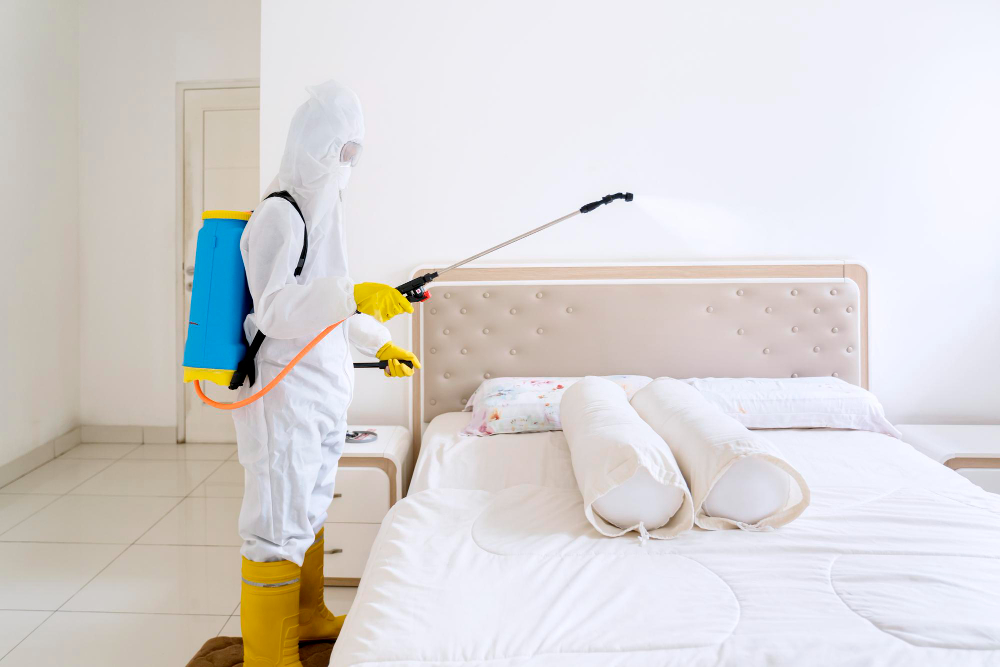
Preparing Your Room for Treatment
Before applying bed bug spray, you need to thoroughly prepare your room to guarantee maximum effectiveness. First, seal cracks and crevices where bed bugs hide and travel—this containment step prevents reinfestation and enhances spray penetration. Use appropriate sealants for gaps in walls, baseboards, and furniture joints. Next, relocate pets to a safe, untreated area to avoid exposure to chemicals https://igreenasia.com/, ensuring their safety and comfort. Remove clutter and wash bedding in hot water to eliminate potential bed bug eggs and nymphs. Vacuum floors and furniture meticulously before treatment but discard vacuum bags immediately after. These preparation measures empower you to apply the spray with precision, reducing bed bug populations efficiently while maintaining your freedom from ongoing pest issues.
Identifying and Targeting Bed Bug Hotspots
When targeting bed bugs effectively, pinpointing their hotspots is essential for successful treatment. Begin with a thorough visual inspection, focusing on common harborages where bed bugs hide during the day. Complement this by employing heat mapping techniques to detect areas with elevated temperatures caused by bed bug aggregation.
Focus your efforts on these critical zones:
- Mattress seams, bed frames, and headboards where bed bugs cluster tightly.
- Cracks and crevices in furniture and baseboards, which serve as secure refuges.
- Electrical outlets and behind picture frames, less obvious but frequent nesting spots.
Proper Application Techniques for Bed Bug Spray
Apply bed bug spray methodically to maximize its effectiveness and guarantee thorough coverage. Begin by adjusting your spray patterning to deliver a consistent, fine mist that reaches cracks and crevices where bed bugs hide. Maintain a steady hand, moving the nozzle evenly across surfaces to avoid over- or under-application. Prioritize edges of mattresses, bed frames, and baseboards, ensuring the spray penetrates seams without saturating. Regular nozzle maintenance is critical—clean the nozzle tip after each use to prevent clogging and uneven dispersion. Inspect the nozzle for damage or wear and replace it if necessary. By mastering precise spray patterning and adhering to nozzle maintenance protocols, you’ll maintain control over application, enhancing the spray’s potency and your freedom from infestations.

Safety Precautions When Using Bed Bug Spray
Although bed bug spray can be highly effective, you must follow strict safety precautions to protect yourself and others. Always wear appropriate personal protective equipment—gloves, masks, and eye protection—to minimize exposure to harmful chemicals. Make sure proper ventilation during and after application to avoid inhaling toxic fumes. After treatment, conduct chemical residue testing to confirm that residue levels are safe before re-entering and using treated areas. Key safety measures include:
- Donning personal protective equipment to prevent skin and respiratory contact
- Maintaining adequate ventilation to disperse airborne chemicals
- Performing chemical residue testing to verify safe reoccupation
Post-Treatment Steps to Prevent Reinfestation
Since bed bugs can quickly return if conditions remain favorable, you’ll need to implement rigorous post-treatment measures to prevent reinfestation. Begin by sealing entryways—cracks, crevices, and gaps in walls or furniture—that bed bugs exploit for movement. Use high-quality sealants to make certain these barriers are airtight. Maintain a strict laundry routine: wash all bedding, clothing, and fabrics in hot water (at least 60°C) and dry them on high heat to kill any residual eggs or bugs. Continue this routine weekly for at least a month post-treatment. Regularly inspect your living space, focusing on mattress seams and furniture joints, to detect early signs of return. Combining these steps with your initial spray treatment creates an effective, all-inclusive defense that preserves your freedom from bed bug disruption.
Conclusion
By thoroughly preparing your room and accurately identifying bed bug hotspots, you guarantee targeted and effective treatment. Apply the spray according to recommended techniques, maintaining safety precautions to protect yourself and others. After treatment, follow post-application steps diligently to prevent reinfestation and monitor the area consistently. Adhering to these precise guidelines maximizes the spray’s efficacy, helping you regain control over your environment with confidence and lasting results.


