From Manual Blinds to Smart Glass: A Shift in Workplace Design
Discover how workplace design is transforming before your eyes, shifting from manual blinds to cutting-edge smart glass technology. Enhancing employee comfort, boosting energy efficiency smart glass Malaysia, and setting the stage for future trends, this evolution is revolutionizing the way we work.
Experience the benefits of this innovative shift firsthand as you explore the seamless integration of smart glass into modern workspaces.
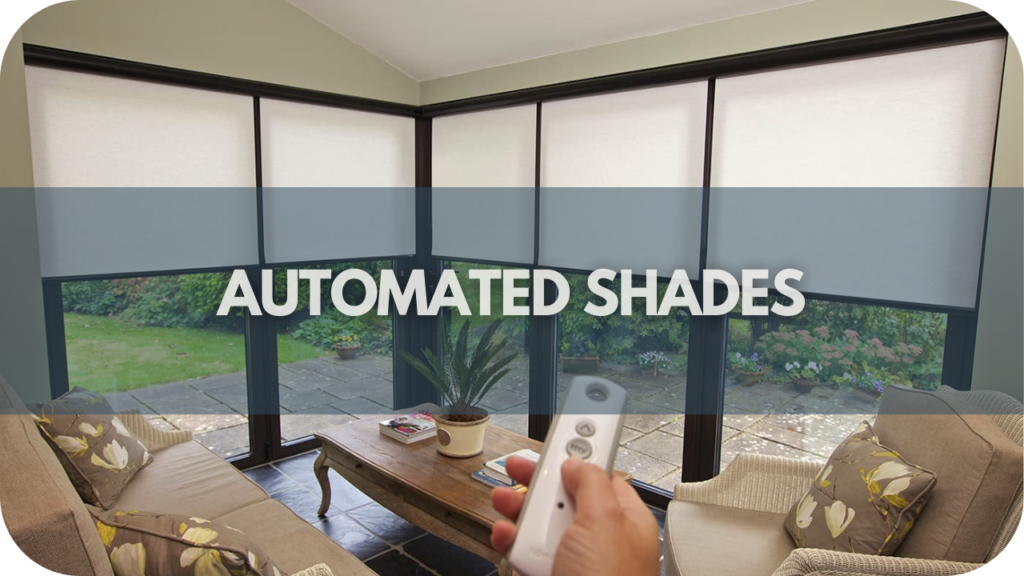
Evolution of Workplace Blinds
As workplaces have evolved, the use of manual blinds has transitioned to more advanced solutions like smart glass. Smart glass offers a more sophisticated and efficient way to control light and privacy in modern office spaces.
With manual blinds, adjusting light levels meant physically manipulating the blinds throughout the day. This not only required effort but also disrupted workflow and productivity.
In contrast, smart glass can be controlled remotely with a simple click of a button or even programmed to adjust automatically based on the time of day or the amount of sunlight entering the office. This seamless integration of technology not only enhances the aesthetic appeal of the workplace but also improves energy efficiency by reducing the need for artificial lighting.
The evolution from manual blinds to smart glass represents a significant shift towards creating smarter, more sustainable, and user-friendly work environments that cater to the needs and preferences of modern professionals.
Benefits of Smart Glass Integration
Transitioning from manual blinds to smart glass allows you to experience a seamless integration of technology that enhances workplace efficiency and sustainability. Smart glass provides numerous benefits that can significantly improve your work environment.
Firstly, smart glass helps regulate natural light, reducing glare and eye strain, thereby enhancing your comfort and productivity. With the ability to adjust transparency levels, smart glass also offers privacy on demand, allowing you to maintain focus during important tasks or meetings.
Additionally, smart glass is energy-efficient, as it can dynamically control heat gain and loss, leading to potential cost savings on heating and cooling expenses. By reducing the reliance on artificial lighting and heating systems, smart glass contributes to a more sustainable workplace, aligning with modern eco-friendly practices.
Moreover, the integration of smart glass can enhance the aesthetic appeal of your workspace, creating a sleek and modern environment that boosts employee morale and satisfaction.
Impact on Employee Well-being
When smart glass is implemented in the workplace, it can have a significant impact on your well-being through enhanced comfort and productivity. The ability of smart glass to adjust tint levels based on external light conditions reduces glare, eye strain, and thermal discomfort, creating a more pleasant work environment for you. By providing natural light while minimizing heat and glare, smart glass contributes to a healthier circadian rhythm, potentially improving your sleep patterns and overall mood.
Furthermore, the dynamic nature of smart glass allows for better control over privacy, giving you the option to switch from transparent to opaque with a simple adjustment. This feature enhances your sense of personal space and confidentiality, ultimately reducing stress levels and increasing feelings of security within the workplace.

Energy Efficiency and Sustainability
The integration of smart glass in the workplace enhances energy efficiency and sustainability by optimizing natural light utilization and reducing reliance on artificial lighting. Smart glass technology adjusts tint levels based on sunlight exposure, minimizing heat gain in warmer months and heat loss during colder periods. This dynamic control helps regulate indoor temperatures, reducing the need for extensive heating, ventilation, and air conditioning systems, thus cutting energy consumption and costs.
By harnessing natural light more effectively, smart glass reduces the reliance on artificial lighting sources, lowering electricity usage and subsequently decreasing the carbon footprint of the workplace. The ability to control the transparency of smart glass also aids in managing glare and maintaining comfortable lighting levels, enhancing the overall work environment.
Furthermore, the long-term sustainability benefits of smart glass include decreased energy demands, improved thermal insulation, and enhanced building efficiency. Investing in smart glass solutions not only aligns with eco-friendly practices but also contributes to creating a more environmentally conscious and energy-efficient workplace.
Future Trends in Workplace Design
To remain at the forefront of workplace design trends, consider incorporating at least two innovative technologies that optimize energy efficiency and enhance sustainability. One emerging trend is the use of biophilic design, which integrates nature into the workspace to improve employee well-being and productivity. This can involve elements like living walls, natural light, and greenery, creating a more inviting and inspiring environment.
Another key trend is the implementation of flexible workspaces that accommodate different work styles and preferences. This includes movable walls, adjustable furniture, and multipurpose areas that can be easily adapted to suit varying needs. By promoting agility and collaboration, flexible spaces support a dynamic and adaptable work culture.
Furthermore, the rise of smart buildings equipped with IoT sensors and automation systems is revolutionizing workplace design. These technologies enable real-time monitoring of energy usage, occupancy levels, and indoor environmental quality, allowing for data-driven decisions to enhance efficiency and comfort. Embracing these future trends can’t only transform the workplace experience but also drive sustainability and innovation in design practices.
Conclusion
As workplace design continues to evolve, the shift from manual blinds to smart glass offers numerous benefits for employees and organizations. Improved well-being, energy efficiency, and sustainability are just some of the advantages of this modern technology.
With future trends in workplace design leaning towards smart solutions, embracing smart glass integration is key to creating a more productive and comfortable work environment.
Embrace the change and enhance your workplace with smart glass technology.


