Lab Alliance Research Solutions: Advancing Food Safety and Nutritional Studies
Lab Alliance Research Solutions empowers you with advanced technologies like rapid diagnostics and portable sensors for precise, real-time food safety testing. Their collaborative partnerships enhance method validation and nutrient analysis, ensuring accuracy across varied food matrices lab alliance. They tackle emerging contaminants, including microplastics, using cutting-edge sensors and high-resolution mass spectrometry. This approach balances regulatory compliance with public health protection and operational flexibility. Keeping pace with evolving challenges, their expertise equips you to maintain a resilient, trustworthy food system—explore further to see how.
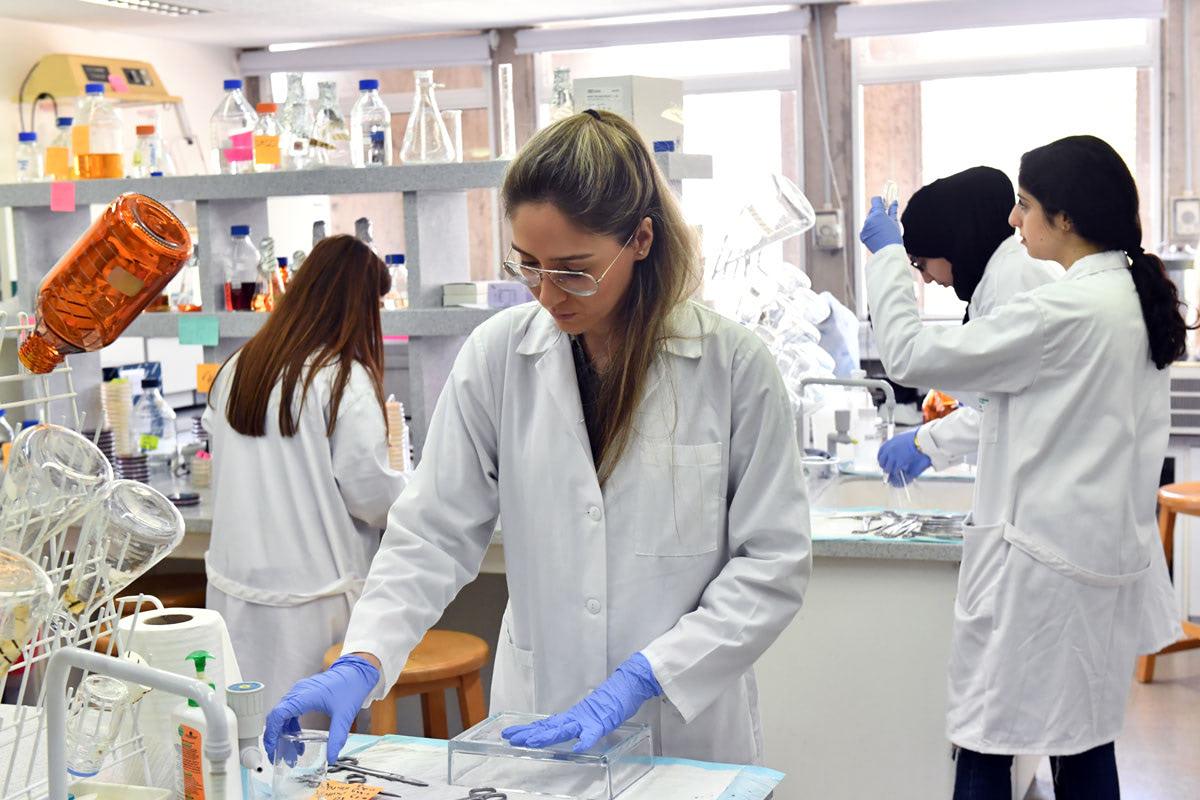
Innovative Technologies in Food Safety Testing
Although traditional methods have served food safety testing well, Lab Alliance Research Solutions is leveraging innovative technologies to enhance accuracy and speed. You’ll find that rapid diagnostics enable quicker identification of contaminants, reducing the time between sample collection and actionable results. This precision allows you to maintain control over food safety without sacrificing time or resources. Additionally, portable sensors provide real-time monitoring capabilities https://laballiance.com.my/, granting you freedom from cumbersome laboratory constraints. These devices are calibrated for sensitivity and specificity, ensuring reliable data even in field conditions. By integrating these technologies, you gain a streamlined testing process that empowers proactive decision-making. Lab Alliance’s approach balances technological advancement with practical usability, enabling you to safeguard food quality more efficiently and confidently.
Collaborative Research Initiatives and Partnerships
Building on the advancements in rapid diagnostics and portable sensors, Lab Alliance Research Solutions strengthens its impact through collaborative research initiatives and strategic partnerships. You’ll find these efforts pivotal in expanding capabilities and accelerating innovation. Key aspects include:
- Industry partnerships that leverage specialized expertise, optimizing resource allocation and fostering technological breakthroughs.
- Community collaborations aimed at addressing localized food safety challenges with tailored solutions.
- Joint development projects that integrate diverse data sets, enhancing analytical accuracy and reliability.
- Knowledge exchange programs facilitating continuous learning and adaptation to emerging food safety concerns.
These collaborations guarantee you benefit from cutting-edge research while maintaining operational flexibility. By engaging multiple stakeholders, Lab Alliance promotes a networked approach that drives progress without compromising your autonomy or commitment to rigorous standards.
Enhancing Nutritional Analysis Accuracy
When you require exact nutritional profiles, enhancing analysis accuracy becomes vital to meet regulatory standards and consumer expectations. You must prioritize method validation to make certain that analytical techniques consistently produce reliable, reproducible results. This process verifies that methods are fit for purpose, accurately quantifying nutrients across diverse food matrices. Additionally, rigorous sample homogenization is essential; it guarantees uniform distribution of components, minimizing variability and improving representativeness. By integrating validated methods with thorough homogenization protocols, you reduce errors caused by sample heterogeneity or procedural inconsistencies. This precision empowers you to confidently interpret nutritional data, supporting transparent labeling and informed choices. Lab Alliance’s commitment to these meticulous practices ensures that your nutritional analyses meet the highest standards, providing the freedom to innovate while maintaining uncompromising quality.

Addressing Emerging Contaminants in Food Supply
As new chemicals and byproducts continually enter the food supply, you need robust strategies to detect and manage emerging contaminants effectively. Addressing challenges like microplastic detection and endocrine disruptors requires precise analytical methods and adaptive protocols. Consider these key approaches:
- Implement advanced sensor technologies for rapid identification of microplastics in diverse food matrices.
- Utilize high-resolution mass spectrometry to quantify trace levels of endocrine disruptors with accuracy.
- Develop standardized sampling procedures to guarantee consistent data quality across studies.
- Integrate multi-disciplinary data analysis to track contamination sources and predict emerging risks.
Impact on Public Health and Regulatory Compliance
Detecting emerging contaminants like microplastics and endocrine disruptors is only part of the equation; understanding their impact on public health and guaranteeing regulatory compliance is what ultimately protects consumers and sustains industry standards. When you engage with Lab Alliance Research Solutions, you gain access to precise risk communication strategies that clarify potential hazards without restricting your autonomy. Their expertise guarantees policy alignment between scientific findings and regulatory frameworks, so you’re not blindsided by shifting standards. This alignment empowers you to navigate compliance confidently while safeguarding public health. By integrating rigorous data analysis with transparent communication, Lab Alliance helps you make informed decisions that promote safety without compromising your freedom to innovate or choose. This balance is essential for a resilient, trustworthy food system.
Conclusion
You can clearly see how Lab Alliance Research Solutions pushes the boundaries of food safety and nutritional studies through cutting-edge technologies and strategic collaborations. Their focus on improving contaminant detection and nutritional accuracy directly supports public health and regulatory standards. By addressing emerging threats with precision, they help safeguard a safer food supply. Ultimately, their work not only advances scientific understanding but also strengthens the frameworks protecting consumers and enhancing overall food quality.


