Pet Grooming Course

Discover the rewarding world of pet grooming with our comprehensive course designed to equip you with the necessary skills and knowledge to excel in this thriving industry.

From mastering grooming techniques to understanding business fundamentals grooming class, our program offers a pathway to unleash your passion for animals while pursuing a fulfilling career.

Join us on this journey towards becoming a certified pet grooming professional and unlocking a world of opportunities in the pet care field.

How I Make $200,000 a Year as a Pet Groomer

Job Opportunities in Pet Grooming

An increasing number of pet grooming professionals are finding diverse job opportunities in the thriving pet care industry. With the growing awareness of pet health and well-being, the demand for skilled groomers continues to rise. Pet grooming professionals have the freedom to explore various career paths within this industry, from working at traditional grooming salons to mobile grooming services Pet Universe Grooming Course, veterinary clinics, pet spas, and even starting their grooming businesses.

Moreover, the flexibility in job opportunities allows pet groomers to cater to different preferences and work settings. Some professionals may choose to specialize in particular breeds or services like creative grooming, while others may prefer a broader approach. The pet care industry offers a wealth of opportunities for growth and specialization, enabling groomers to expand their skills and knowledge continuously.

Curriculum Overview of Pet Grooming Course

The pet grooming course offers a comprehensive curriculum that equips aspiring groomers with the essential skills and knowledge needed to excel in various job roles within the pet care industry. Students will delve into topics such as pet behavior and handling, breed recognition, proper grooming techniques for different coat types, health and safety protocols, and client communication. Practical training is a key component of the course, allowing students to gain hands-on experience in grooming various animals, including dogs, cats, and other small pets.

Moreover, the curriculum covers business management aspects relevant to pet grooming, such as scheduling appointments, maintaining client records, retail sales, and basic accounting practices. Students will also learn about grooming tools and equipment, sanitation practices, and the importance of creating a safe and comfortable environment for both pets and their owners. By the end of the course, graduates will have the skills and confidence to pursue careers as professional pet groomers, start their grooming businesses, or even explore opportunities in related fields such as pet sitting or animal rescue organizations.

Hands-On Training and Techniques

Students in the pet grooming course will engage in practical hands-on training sessions to master essential grooming techniques for various animals. This hands-on approach allows students the freedom to practice grooming skills under the guidance of experienced instructors. They will learn how to handle different animal temperaments, safely operate grooming tools, and execute grooming styles according to breed standards. Techniques such as bathing, brushing, clipping, and nail trimming will be taught through interactive demonstrations and supervised practice sessions. Students will have the freedom to ask questions, seek clarification, and receive personalized feedback to improve their grooming proficiency.

Furthermore, the hands-on training will cover the importance of proper animal handling to ensure the safety and comfort of the pets during grooming sessions. Students will have the freedom to develop their skills in a supportive environment where they can gain confidence in handling various grooming challenges. By actively participating in grooming tasks, students will acquire the practical experience necessary to excel in the pet grooming industry.

Terry's Pet Grooming in Tucson | Groupon

Certification and Licensing Requirements

Certification and licensing prerequisites are essential for individuals pursuing a career in pet grooming. While requirements vary depending on location, most regions mandate groomers to obtain certification to ensure they meet certain standards of care and expertise. Becoming a certified pet groomer not only enhances credibility but also demonstrates a commitment to professionalism and animal welfare.

To obtain certification, individuals typically need to complete a pet grooming course from a reputable institution. These courses cover essential topics such as animal behavior, handling techniques, grooming tools, and sanitation practices. Additionally, aspiring groomers may need to pass a written exam and demonstrate their grooming skills to obtain certification.

Licensing requirements may also apply in some areas, necessitating groomers to acquire a license to practice legally. Licensing often involves meeting specific criteria set by local authorities, such as completing a certain number of grooming hours or passing a practical exam. By adhering to certification and licensing requirements, pet groomers can establish trust with clients and uphold industry standards.

Building a Successful Pet Grooming Business

Upon meeting certification and licensing requirements, pet groomers can focus on establishing and expanding their successful pet grooming business. One key aspect of building a thriving pet grooming business is creating a strong online presence. Develop a professional website showcasing services offered, pricing, and contact information. Utilize social media platforms to engage with potential clients, share before-and-after photos of grooming sessions, and run promotions to attract new customers.

Networking within the pet community is another vital strategy for growing your business. Attend local pet events, partner with veterinarians, pet stores, and animal shelters, and consider offering mobile grooming services to reach a broader clientele. Providing excellent customer service is crucial for client retention and positive word-of-mouth referrals. Ensure your grooming techniques are up-to-date and offer additional services such as nail trimming, teeth brushing, and flea treatments to enhance the overall customer experience.

Implementing efficient booking and scheduling systems, managing finances effectively, and continuously seeking feedback for improvement will contribute to the long-term success of your pet grooming business.

Conclusion

In conclusion, the pet grooming course offers valuable training in grooming techniques and business skills to pursue a career in the pet grooming industry.

With a comprehensive curriculum and hands-on training, students can acquire the necessary skills and knowledge to become certified pet groomers.

By meeting certification and licensing requirements, individuals can establish successful pet grooming businesses and capitalize on the growing demand for professional pet grooming services.

…

Types of Corporate Events and Their Needs

Corporate events play a pivotal role in fostering relationships, boosting morale, and achieving organizational objectives. Understanding the distinct needs of various types of corporate events is essential for successful planning and execution.

From conferences to team-building events event venue Singapore, product launches to corporate retreats, each event serves a unique purpose and demands meticulous attention to detail.

This article explores the different types of corporate events and delves into their specific requirements to ensure seamless and impactful experiences for all stakeholders involved.

The Most Common 15 Types of Corporate Events | EventBookings

Conferences

When planning conferences for corporate events, meticulous attention to detail is crucial for ensuring successful execution. From selecting the venue to coordinating speakers and developing an agenda, every aspect must be carefully thought out.

The logistics, such as audiovisual equipment, seating arrangements, and catering, need to be seamlessly integrated to create a professional and engaging environment Askvenue. Additionally, considering the target audience and aligning the conference content with their interests and needs is essential for maximizing attendee engagement and satisfaction.

Clear communication with all stakeholders, including sponsors and vendors, is also paramount to ensure that everyone is on the same page leading up to the event. Ultimately, a well-planned conference can serve as a platform for networking, knowledge sharing, and driving business objectives.

Team-Building Events

For successful team-building events in corporate settings, fostering collaboration and enhancing communication among team members is paramount. Team-building events aim to strengthen relationships, boost morale, and improve productivity within a company. These events often involve engaging activities such as problem-solving challenges, trust exercises, and group projects that require teamwork to complete successfully.

By participating in these activities, employees can develop a better understanding of each other’s strengths, weaknesses, and working styles. This increased awareness can lead to more effective collaboration in the workplace, improved problem-solving skills, and enhanced communication channels.

Product Launches

The company’s product launches require meticulous planning and strategic execution to maximize impact and market penetration. From selecting the venue and creating compelling marketing materials to coordinating media coverage and managing guest lists, every detail plays a crucial role in the success of a product launch event.

Timing is also key, ensuring the product is introduced at a time when it can stand out in the market and capture the target audience’s attention. Additionally, incorporating interactive elements, such as product demonstrations or experiential activities, can engage attendees and leave a lasting impression.

The Top 10 Most Common Types of Corporate Events

Corporate Retreats

An effective corporate retreat necessitates meticulous planning and thoughtful consideration of the company’s objectives and desired outcomes. Corporate retreats offer a valuable opportunity for team building, strategic planning, and fostering a positive company culture.

When planning a corporate retreat, it is essential to choose a suitable location that aligns with the retreat’s purpose and provides a conducive environment for reflection and collaboration. Additionally, incorporating engaging activities, professional development sessions, and time for relaxation can contribute to a successful retreat experience.

Clear communication about the retreat’s goals and expectations is crucial to ensure that all participants are aligned and actively engaged throughout the event. By investing time and effort into planning a well-executed corporate retreat, companies can enhance teamwork, boost morale, and drive overall organizational success.

Holiday Parties

One essential aspect of corporate events is hosting an annual holiday party to celebrate the festive season and acknowledge employees’ contributions.

Holiday parties provide an opportunity for team members to socialize in a relaxed setting, strengthening bonds and boosting morale. These events often include festive decorations, music, food, and entertainment to create a joyful atmosphere.

Employers can use holiday parties to show appreciation for their employees’ hard work throughout the year and foster a sense of camaraderie within the organization. It is also a chance for employees to unwind and enjoy themselves outside of the usual work environment.

Conclusion

In conclusion, various types of corporate events cater to different needs within a company. Conferences provide opportunities for learning and networking, team-building events focus on improving collaboration and communication among employees, product launches showcase new offerings to the market, corporate retreats offer a chance for relaxation and reflection, and holiday parties foster a sense of camaraderie and celebration among colleagues.

Each event serves a specific purpose in promoting the overall success and cohesion of the organization.

…

The Importance of Chinese Calligraphy and Writing


Chinese calligraphy and writing stand as pillars of cultural heritage and artistic expression chinese tuition centre, embodying centuries of tradition and wisdom. The intricate strokes and elegant characters hold more than just aesthetic value; they encapsulate the soul of a nation, carrying stories and emotions within each carefully crafted line. As we delve into the world of Chinese calligraphy, we begin to unravel the layers of history and significance that have shaped not only a form of writing but a way of life.

The Importance of Chinese Calligraphy and Writing | Rubtcova

Historical Significance

Evolving over millennia, Chinese calligraphy holds a profound historical significance that transcends mere writing to embody a rich cultural heritage https://www.yanzimandarin.com/. Originating in ancient China, calligraphy became not only a form of communication but also a revered art form. The intricate brushstrokes and expressive characters of Chinese calligraphy reflect the deep-rooted traditions and philosophies of Chinese culture, making it a visual representation of the country’s history and values.

Throughout history, calligraphy played a pivotal role in preserving Chinese literature, recording historical events, and transmitting cultural knowledge from one generation to the next. Emperors, scholars, and artists alike honed their calligraphy skills, contributing to the development and evolution of different calligraphic styles. These styles not only reflected the individuality of the calligrapher but also conveyed emotions, thoughts, and spiritual insights through the written word.

Chinese calligraphy’s historical significance lies in its ability to capture the essence of Chinese culture, serving as a timeless link to the past while continuing to inspire and influence contemporary art forms worldwide.

Artistic Expression

Chinese calligraphy, with its intricate brushstrokes and expressive characters, embodies a profound form of artistic expression that transcends mere writing. The beauty of Chinese calligraphy lies not only in the final product but also in the process of creation. Each stroke carries the artist’s emotions, personality, and energy, creating a unique piece that reflects the artist’s inner world. The fluidity of the brush, the varying thickness of the lines, and the deliberate composition all contribute to the aesthetic appeal of Chinese calligraphy.

Artistic expression through calligraphy allows for a sense of freedom and creativity. Artists can experiment with different styles, techniques, and forms to convey their thoughts and feelings. The strokes can be bold and powerful, conveying strength and confidence, or delicate and graceful, expressing subtlety and elegance. Chinese calligraphy is not just a form of writing but a means of artistic exploration and self-expression that resonates with individuals seeking a deeper connection to the beauty of language and art.

Cultural Heritage

The deep-rooted significance of Chinese calligraphy extends beyond mere artistic expression, embodying a rich cultural heritage that has been preserved and passed down through generations. Chinese calligraphy holds a revered position within the country’s cultural tapestry, reflecting the values, beliefs, and history of the Chinese people. Its intricate strokes and elegant forms serve as a visual representation of China’s long-standing traditions and philosophies.

This art form not only captures the essence of Chinese culture but also serves as a link to the past, connecting contemporary society with its historical roots. Through calligraphy, individuals can gain insights into the mindset of ancient scholars, poets, and philosophers, understanding their perspectives on life, nature, and the human experience. The preservation of Chinese calligraphy as a cultural heritage signifies the enduring pride and respect that the Chinese people hold for their history and traditions. By studying and practicing this art form, individuals can deepen their appreciation for China’s rich cultural legacy and contribute to its continued preservation for future generations.

Spiritual Connection

In the realm of calligraphy and writing, a profound spiritual connection emerges, transcending mere strokes and characters to touch the essence of the human soul. Chinese calligraphy, with its rich history and intricate brushwork, is not merely a form of artistic expression but a gateway to inner contemplation and spiritual enlightenment. The deliberate movements of the brush, the flow of ink on paper, and the harmony of each stroke represent more than just words – they encapsulate the emotions, thoughts, and aspirations of the calligrapher.

Through the practice of Chinese calligraphy, individuals delve into a meditative state where the mind is clear, and the heart is open. This meditative process allows for a deep connection with one’s inner self, fostering a sense of peace, mindfulness, and spiritual awareness. Each character written carries with it a unique energy, a resonance that speaks to the soul and transcends the boundaries of language.

In essence, Chinese calligraphy serves as a spiritual journey, guiding practitioners towards a deeper understanding of themselves and the world around them. It is a form of expression that goes beyond the physical realm, touching the spiritual core of humanity and fostering a sense of interconnectedness with the universe.

Educational Value

Exploring the educational value of Chinese calligraphy and writing unveils a world where cultural appreciation thrives through strokes of a brush.

The practice not only aids in enhancing memory and focus but also fosters the development of artistic skills.

Delving into this art form can open doors to a holistic educational experience that transcends mere penmanship.

120+ Mandarin Chinese Writing Stock Photos, Pictures & Royalty-Free Images  - iStock

Cultural Appreciation Through Writing

Through the art of writing, individuals can deepen their understanding and appreciation of diverse cultures, fostering an enriching educational experience. Writing is a gateway to exploring different traditions, beliefs, and ways of life. By immersing oneself in the calligraphy of a particular culture, one can gain insights into the historical context, values, and aesthetics that shape that society.

Chinese calligraphy, for example, not only conveys the beauty of the written language but also reflects the philosophical underpinnings of Chinese culture. Each stroke carries meaning and symbolism, providing a unique perspective on the world. By engaging with various forms of writing, individuals not only enhance their cultural awareness but also develop a sense of empathy and respect for others’ heritage.

Enhancing Memory and Focus

How does the practice of Chinese calligraphy contribute to enhancing memory and focus, particularly in the realm of educational value?

Chinese calligraphy demands a high level of concentration and attention to detail, requiring the calligrapher to memorize intricate stroke patterns and characters. This intense focus can help improve memory retention and enhance concentration skills, which are essential for academic success.

By practicing Chinese calligraphy, individuals engage both hemispheres of the brain, stimulating cognitive functions and promoting better memory recall. Additionally, the repetitive nature of practicing strokes and characters in Chinese calligraphy can strengthen neural pathways associated with memory and learning.

Therefore, incorporating Chinese calligraphy into educational settings can be a valuable tool for enhancing memory, focus, and overall cognitive abilities.

Developing Artistic Skills

The practice of Chinese calligraphy in educational settings offers a unique opportunity for students to cultivate and refine their artistic skills through disciplined strokes and intricate character formations. By engaging in the deliberate and graceful movements required for Chinese calligraphy, students can develop a keen eye for detail, a steady hand, and a deep appreciation for aesthetic beauty.

Through the precise execution of strokes and the harmonious balance of characters, individuals can enhance their artistic expression and creativity. This form of art not only hones technical skills but also fosters a sense of mindfulness and presence in the moment, allowing students to connect with their inner creativity and imagination.

Chinese calligraphy serves as a gateway to artistic exploration and self-expression, nurturing a lifelong appreciation for the beauty of written language.

Modern Influence

In the realm of contemporary art, Chinese calligraphy has seen a surge in popularity, with artists worldwide incorporating its techniques into their creations.

This modern influence not only showcases the beauty of traditional Chinese writing but also adds a layer of cultural heritage impact to the global art scene.

Through this fusion of ancient artistry with modern expression, Chinese calligraphy continues to captivate audiences and bridge the gap between past and present artistic endeavors.

Popularity in Art

Chinese calligraphy and writing hold a significant presence within modern art circles, influencing a myriad of contemporary artists globally. The beauty and depth of Chinese characters have captivated artists beyond China, leading to a surge in incorporating calligraphic elements into various art forms.

From paintings to sculptures, and even digital art, the influence of Chinese calligraphy can be seen in diverse mediums. Artists find inspiration in the fluidity of brushstrokes, the balance of positive and negative space, and the expressiveness of each character.

This fusion of traditional calligraphy with modern artistic expressions creates a harmonious blend of cultures, appealing to audiences seeking a deeper connection with art that transcends boundaries and speaks a universal language of creativity and emotion.

Cultural Heritage Impact

Evident in contemporary art practices worldwide, the profound influence of Chinese calligraphy and writing on cultural heritage continues to shape modern artistic expressions.

From calligraphic street art in urban centers to digital reinterpretations in graphic design, Chinese calligraphy’s aesthetic allure transcends borders and resonates with artists seeking to infuse their work with a sense of tradition and sophistication.

Its impact is not confined to visual arts alone; the rhythmic flow of brush strokes and the philosophical underpinnings of Chinese characters have inspired poets, musicians, and even choreographers to explore new realms of creativity.

Global Appreciation

Across continents and cultures, the timeless art of Chinese calligraphy continues to captivate individuals with its elegance and profound cultural significance. The global appreciation for Chinese calligraphy has transcended borders, with enthusiasts from diverse backgrounds drawn to its beauty and complexity. In Western countries, Chinese calligraphy is increasingly recognized as a sophisticated art form, appreciated for its intricate brushwork and expressive qualities. Museums and galleries worldwide showcase Chinese calligraphy, attracting art lovers who marvel at the skill and creativity displayed in each stroke.

The rise of social media and online platforms has further fueled the global appreciation for Chinese calligraphy, allowing artists to share their work with a vast audience instantaneously. Through virtual exhibitions and tutorials, individuals from around the world can now engage with this ancient art form, fostering a sense of connection and understanding across cultural divides. As Chinese calligraphy continues to gain recognition on a global scale, its enduring appeal serves as a testament to the power of art in transcending linguistic and cultural barriers.

Conclusion

In conclusion, Chinese calligraphy and writing hold profound historical, cultural, and artistic significance. Through intricate brushstrokes and expressive characters, calligraphy serves as a means of communication, artistic expression, and preservation of Chinese heritage.

Its influence extends globally, inspiring creativity and appreciation for the harmonious blend of cultures. The importance of Chinese calligraphy and writing lies in its ability to connect contemporary society with its rich historical roots, fostering a deep spiritual connection and educational value.

…

Designing Resilient Structures With Material Testing in Disaster Prevention


In the realm of construction and infrastructure development compression testing machine function, the meticulous process of designing resilient structures with material testing plays a pivotal role in disaster prevention strategies. By employing advanced techniques to evaluate the strength and durability of building materials, engineers can enhance the structural integrity of edifices, making them more resistant to unforeseen calamities. However, the true essence of resilience lies not only in the materials but also in the intricate design principles and innovative solutions that ensure the safety and sustainability of structures. The fusion of material testing and disaster prevention strategies sets the stage for a compelling narrative of resilience in structural engineering.

Construction Design That Would Aid In Disaster Management and Recovery

Importance of Material Testing

Material testing plays a crucial role in disaster prevention by ensuring the structural integrity and safety of buildings and infrastructure. By subjecting construction materials to rigorous testing procedures, engineers can accurately assess their strength, durability universal testing machine for compression test, and performance under various stressors, such as extreme weather conditions or seismic activities. This data is essential for designing resilient structures that can withstand potential disasters and protect lives and property.

Through material testing, engineers can identify any weaknesses or vulnerabilities in building materials before they are used in construction. This proactive approach allows for adjustments to be made to the design or material selection, ultimately enhancing the safety and longevity of the structure. Additionally, material testing helps in quality control during the construction phase, ensuring that the materials being used meet the specified standards and requirements.

Types of Material Testing

Material testing encompasses a variety of methods to assess the strength and durability of materials.

Strength testing methods evaluate the maximum load a material can withstand, while durability assessment techniques gauge how well a material can withstand wear, tear, and environmental factors.

Understanding the different types of material testing is crucial in ensuring the reliability and safety of structures in disaster prevention efforts.

Strength Testing Methods

Exploring various methodologies for assessing the strength of materials is essential in ensuring structural integrity and disaster prevention measures are effectively implemented. Strength testing methods play a crucial role in determining how materials will perform under different loads and stress conditions.

Common methods include tension tests, compression tests, flexural tests, and shear tests. Tension tests evaluate a material’s resistance to stretching forces, while compression tests assess its ability to withstand squeezing forces. Flexural tests measure a material’s bending strength, and shear tests determine its resistance to shear forces.

Durability Assessment Techniques

In the realm of structural engineering, the assessment of durability through various techniques is paramount to ensuring the longevity and performance of materials used in disaster prevention measures. Durability assessment techniques encompass a range of methods to evaluate the ability of materials to withstand environmental conditions and operational stresses over time.

Accelerated aging tests, such as salt spray testing and thermal cycling, simulate harsh conditions to predict material degradation. Chemical analysis techniques, like spectroscopy and chromatography, help identify potential vulnerabilities to corrosion or deterioration. Mechanical testing, including fatigue and impact tests, assess how materials respond to repetitive loading or sudden forces.

These comprehensive approaches enable engineers to select and design resilient materials for structures that can withstand the challenges posed by disasters.

Strength and Durability Assessment

The assessment of strength and durability in materials is crucial for ensuring their performance under various stressors. Load-bearing capacity testing provides insight into how much weight a material can bear before failing. Impact resistance evaluation determines its ability to withstand sudden forces or shocks.

These assessments are fundamental in identifying potential weaknesses and enhancing the resilience of materials in disaster prevention strategies.

Load-Bearing Capacity Testing

Assessing the load-bearing capacity of materials is a critical component in ensuring the strength and durability of structures in disaster prevention. Load-bearing capacity testing involves subjecting materials to various stress levels to determine their ability to support loads without failing.

By conducting these tests, engineers can accurately assess the maximum load a material can withstand before deformation or collapse. This information is essential for designing structures that can withstand the forces experienced during natural disasters such as earthquakes or hurricanes.

Through precise load-bearing capacity testing, engineers can select materials that meet the required safety standards and ensure the resilience of buildings in the face of potential catastrophic events.

Impact Resistance Evaluation

Evaluating the impact resistance of materials is a fundamental aspect of assessing their strength and durability in disaster prevention. Impact resistance evaluation involves subjecting materials to controlled impacts to determine their ability to withstand sudden forces. This assessment is crucial in ensuring that structures can endure unforeseen events such as earthquakes or explosions.

Impact on Disaster Prevention

Utilizing advanced material testing methods can significantly enhance the effectiveness of disaster prevention strategies. By subjecting building materials to various stress tests, such as impact resistance evaluations, researchers can pinpoint vulnerabilities that may compromise a structure’s ability to withstand disasters like earthquakes, hurricanes, or explosions. Identifying weaknesses through material testing allows for targeted reinforcement or replacement of materials, ultimately increasing the overall resilience of buildings and infrastructure.

Moreover, material testing enables engineers to develop more accurate predictive models for potential structural failures under different disaster scenarios. This data-driven approach to disaster prevention can lead to the implementation of more effective mitigation strategies and the creation of safer environments for communities at risk. Additionally, by incorporating the findings from material testing into building codes and standards, authorities can enforce stricter regulations that prioritize resilience. Ultimately, the impact of material testing on disaster prevention is profound, offering a proactive means to enhance the structural integrity and safety of buildings in the face of unforeseen catastrophes.

Resilient Design Principles

Resilient design principles in disaster prevention encompass crucial aspects such as:

  • Material durability factors
  • Engineering for safety
  • Disaster-resistant construction techniques

Understanding the durability of materials under different stressors, ensuring structural integrity for occupant safety, and implementing construction methods that mitigate damage during disasters are key components of resilient design.

Material Durability Factors

Material durability factors play a crucial role in the design and construction of structures to enhance their resilience against potential disasters. When considering material durability, factors such as corrosion resistance, strength, and weathering characteristics must be taken into account.

Corrosion resistance is essential to prevent structural weakening over time, especially in coastal areas where salt exposure is high. The strength of materials determines how well a structure can withstand external forces like wind or seismic activity.

Additionally, materials with good weathering characteristics can maintain their properties over extended periods, reducing the need for frequent maintenance. By carefully assessing and selecting materials based on these durability factors, engineers can create more resilient structures capable of withstanding a range of potential disasters.

Engineering for Safety

In the realm of structural engineering, the incorporation of safety principles through meticulous design strategies is paramount to mitigating potential risks posed by natural disasters. Engineers must adhere to resilient design principles that focus on enhancing structural integrity, redundancy, and robustness to ensure the safety of buildings and infrastructure.

This includes considering factors such as load-bearing capacity, flexibility, and the ability to withstand extreme conditions like earthquakes, hurricanes, and floods. By applying advanced analytical techniques, utilizing high-quality materials, and adhering to stringent building codes, engineers can create structures that are better equipped to withstand the forces of nature.

Engineering for safety involves a comprehensive approach that aims to minimize vulnerabilities and enhance the overall resilience of the built environment.

Disaster-Resistant Construction Techniques

Incorporating disaster-resistant construction techniques in structural engineering involves implementing design strategies that prioritize the integrity and robustness of buildings and infrastructure to mitigate risks posed by natural disasters.

These techniques encompass a range of principles aimed at enhancing structural resilience, such as incorporating flexible building materials to withstand seismic forces, designing for wind resistance through aerodynamic shapes and robust connections, and elevating structures in flood-prone areas to minimize water damage.

Additionally, the use of redundant structural systems, strategic placement of reinforcements, and adherence to stringent building codes further bolster the ability of constructions to withstand various disaster scenarios.

Case Studies in Resilient Structures

Examining real-world examples of resilient structures offers valuable insights into the effectiveness of disaster prevention measures. One notable case study is the Torre Mayor in Mexico City, which withstood a magnitude 8.1 earthquake in 2017 thanks to its innovative design. The tower’s use of a tuned mass damper significantly reduced swaying, enhancing its stability during seismic events.

Another compelling example is the Bosco Verticale in Milan, Italy, a pair of residential towers featuring extensive greenery that acts as insulation, reducing energy consumption and providing a buffer against temperature fluctuations. This ecological approach not only improves the building’s resilience to climate change but also enhances the surrounding environment.

In Japan, the Tokyo Skytree stands as a testament to resilience, having survived multiple earthquakes with minimal damage. Its advanced damping technology and flexible design allow it to dissipate seismic forces efficiently. These case studies demonstrate the importance of integrating cutting-edge technologies and sustainable practices in creating resilient structures that can withstand diverse disaster scenarios.

Innovations in Material Testing

Drawing upon the resilience showcased in the aforementioned case studies of innovative structures, the exploration of advancements in material testing emerges as a critical avenue for enhancing disaster prevention strategies. The field of material testing has witnessed significant innovations in recent years, leading to more accurate and reliable assessments of structural integrity.

One such innovation is the development of non-destructive testing techniques, such as ultrasonic testing and thermography, which allow engineers to assess material properties without causing damage to the structure.

Furthermore, the use of advanced simulation software has revolutionized material testing by enabling engineers to model various disaster scenarios and predict how different materials will perform under stress. This predictive capability is invaluable in designing structures that can withstand natural disasters such as earthquakes, hurricanes, and floods.

Additionally, the integration of artificial intelligence and machine learning algorithms into material testing processes has enhanced the speed and accuracy of data analysis, enabling engineers to make more informed decisions when designing disaster-resilient structures. Overall, these innovations in material testing are crucial for ensuring the safety and resilience of modern infrastructure in the face of increasing environmental risks.

Sustainability and Disaster Resilience

Sustainability plays a pivotal role in enhancing disaster resilience within modern infrastructure. By integrating sustainable practices into the design and construction of buildings and structures, engineers can significantly reduce the environmental impact of disasters and increase the overall resilience of the built environment. Sustainable materials, such as recycled steel and concrete, can improve the structural integrity of buildings while also reducing carbon emissions and energy consumption during the construction process.

Furthermore, sustainable design principles, such as passive heating and cooling systems and green roofs, can help buildings withstand extreme weather events and natural disasters. These features not only enhance the overall sustainability of a structure but also improve its ability to resist and recover from disasters. Additionally, incorporating renewable energy sources, such as solar panels and wind turbines, can provide buildings with independent power sources during emergencies, further increasing their resilience.

Role of Engineers and Designers

Engineers and designers play a crucial role in shaping the disaster resilience of infrastructure through their expertise in implementing innovative and sustainable solutions. By leveraging their technical knowledge and creative problem-solving skills, engineers and designers can design structures that can withstand various hazards, such as earthquakes, floods, and hurricanes. They analyze the environmental conditions, material properties, and structural requirements to develop robust designs that prioritize safety and longevity.

Engineers and designers also collaborate closely with material scientists and testing experts to evaluate the performance of construction materials under different stress scenarios. Through rigorous testing and analysis, they can identify the most suitable materials for enhancing the resilience of buildings and infrastructure. Additionally, engineers and designers consider factors like building codes, regulations, and community needs to ensure that their designs meet safety standards and serve the population effectively.

Advancements in material science and structural analysis are driving the evolution of resilience strategies in modern infrastructure design. One future trend in structural resilience is the integration of smart materials that can adapt to changing conditions, such as shape memory alloys or self-healing concrete. These materials have the potential to enhance the durability and performance of structures, reducing maintenance costs and increasing overall safety.

Another emerging trend is the use of advanced sensors and monitoring systems to provide real-time data on the structural health of buildings and bridges. By implementing these technologies, engineers can detect potential issues before they escalate into major problems, allowing for timely interventions and proactive maintenance.

Furthermore, the incorporation of artificial intelligence and machine learning algorithms is revolutionizing how structural resilience is approached. These technologies can analyze vast amounts of data to predict potential vulnerabilities and optimize design solutions for maximum resilience.

Conclusion

In conclusion, the integration of material testing in designing resilient structures is imperative for disaster prevention. By conducting thorough assessments of construction materials, engineers can enhance structural integrity and incorporate effective disaster prevention measures.

Innovations in material testing techniques play a crucial role in developing sustainable and disaster-resilient structures. The collaboration between engineers and designers in implementing resilient design principles is essential for ensuring the safety and longevity of buildings and infrastructure.

Future trends in structural resilience will continue to focus on improving disaster preparedness and mitigation strategies.

…

Pet Store


When was the last time you strolled through the aisles of a pet store, surrounded by an array of products designed to cater to your furry companion’s every need? The sight of colorful toys https://nourish.petuniverse.com/, premium food options, and essential supplies may have sparked a sense of curiosity about what else lies in store for you and your pet. Perhaps you’ve wondered about the expert advice you could gain or the unique services available to enhance your pet parenting journey. Stay tuned to uncover the hidden gems waiting to be explored within the walls of a pet store.

Top 10 2025 pet stores

Benefits of Visiting a Pet Store

When visiting a pet store, you can gain valuable insights into proper pet care and nutrition. These stores aren’t just places to buy supplies; they’re hubs of information that can benefit both you and your furry friend. Knowledgeable staff members are often available to answer your questions and provide guidance on selecting the best products for your pet’s specific needs nourish pet universe. Additionally, pet stores frequently host events such as workshops and seminars on topics like training techniques, health tips, and behavioral advice.

Being in a pet store allows you to see firsthand the wide range of products available for your pet. From high-quality food and treats to toys, grooming supplies, and accessories, you can explore different options and find what suits your pet best. Many stores also carry specialized items for specific animals, such as habitats for reptiles or enrichment toys for birds.

In essence, a visit to a pet store isn’t just a shopping trip; it’s an opportunity to educate yourself, interact with fellow pet lovers, and ensure that your beloved companion receives the best care possible.

Exploring the aisles of a pet store unveils a diverse array of popular products tailored to enhance the well-being and happiness of your furry companions. From nutritious pet food options to interactive toys and stylish accessories, there’s no shortage of choices to cater to your pet’s needs and preferences.

One of the most sought-after products in pet stores is high-quality pet food. Whether you have a dog, cat, bird, or small animal, you can find a wide selection of premium pet foods that cater to specific dietary requirements. These foods are formulated to provide essential nutrients and support your pet’s overall health.

Interactive toys are another favorite among pet owners. These toys not only provide entertainment but also stimulate your pet’s mind and encourage physical activity. Whether it’s a puzzle feeder for your dog or a feather teaser for your cat, these toys help keep your pet engaged and active.

Additionally, pet stores offer a variety of grooming supplies, comfortable bedding, training aids, and healthcare products to ensure your furry friends are happy, healthy, and well-cared for.

Tips for Choosing the Right Pet

Are you unsure about how to choose the right pet for your lifestyle and preferences?

When selecting a pet, consider factors such as space, time, budget, and personal preferences.

If you live in a small apartment, a low-maintenance pet like a fish or a hamster might be more suitable than a large dog that requires ample space to roam. Assess the time you can dedicate to your pet; dogs, for instance, need daily exercise and attention, while cats are more independent.

Budget is another crucial aspect – factor in costs for food, grooming, veterinary care, and other supplies.

Think about your preferences and lifestyle – if you have allergies, a hypoallergenic pet like certain dog breeds might be a better fit. Research different breeds and species to find one that aligns with your needs and interests.

Find Me A Pet Store 2024 | elgincountymidwives.com

Services Offered at Pet Stores

Considering the diverse needs of pet owners, pet stores offer a range of services to cater to the well-being and happiness of your furry, scaly, or feathered companions.

One essential service provided by pet stores is grooming. From baths to haircuts, grooming services help maintain your pet’s hygiene and appearance.

Additionally, many pet stores offer training classes to help you teach your pet obedience and good behavior. These classes can be beneficial for both first-time pet owners and those looking to improve their pet’s skills.

Pet stores also provide veterinary services like vaccinations, check-ups, and consultations with experienced veterinarians. This ensures that your pet receives proper medical care conveniently.

Moreover, pet stores often have pet boarding facilities for when you need to travel without your furry friend. Boarding services ensure that your pet is well taken care of in your absence.

Pet Store Events and Promotions

Pet Store events and promotions showcase exciting opportunities for pet owners to engage with the community and discover great deals on pet products and services. These events aren’t only fun but also informative, providing valuable insights into pet care and the latest trends in the pet industry.

Pet stores often host adoption events in collaboration with local shelters, giving you the chance to provide a forever home to a furry friend in need. These events create a sense of fulfillment and joy, knowing you’ve made a difference in an animal’s life.

Promotions at pet stores can range from discounts on grooming services to special offers on premium pet food brands. This can help you save money while still providing the best for your beloved pets. Keep an eye out for upcoming promotions to make the most of these cost-saving opportunities.

In addition to discounts, some pet stores organize educational workshops and training sessions with experts in the field. These events can enhance your pet parenting skills and strengthen the bond you share with your furry companion. Don’t miss out on these valuable resources available to you through pet store events and promotions.

Conclusion

In conclusion, visiting a pet store is a valuable experience for both new and experienced pet owners.

You can find a wide range of products, receive expert advice, and attend informative events to enhance your pet care knowledge.

Whether you’re looking to adopt a new furry friend or simply want to provide the best care for your current pet, a pet store is the perfect place to meet all your pet care needs.

…

E-Invoicing Malaysia Guidelines


Explore the intricacies of E-Invoicing in Malaysia through this comprehensive guide. Delve into the benefits, compliance requirements, implementation steps sap b1, key features, and adoption tips for successful integration.

Stay informed and empowered as you navigate the realm of electronic invoicing to streamline your business processes and enhance efficiency.

The Comprehensive Guide to E-Invoicing in Malaysia - MC Crenergy

Benefits of E-Invoicing in Malaysia

Implementing e-invoicing in Malaysia streamlines the invoicing process, reducing manual errors and enhancing efficiency for businesses. By digitizing the invoicing system https://aspert.com.my/solutions/sap-business-one/, companies can save time and resources previously spent on manual data entry and processing.

E-invoicing also promotes sustainability by reducing paper usage and cutting down on physical storage needs. Additionally, the automated nature of e-invoicing ensures faster payment processing, improving cash flow for businesses.

With the implementation of e-invoicing, organizations in Malaysia can enjoy increased transparency in their financial transactions, leading to better decision-making. Overall, the adoption of e-invoicing not only modernizes business operations but also paves the way for a more efficient and environmentally conscious future.

Compliance Requirements for E-Invoicing

To ensure adherence to e-invoicing regulations in Malaysia, businesses must meticulously comply with specific documentation and data standards. Companies are required to generate e-invoices in a structured electronic format, adhere to the prescribed data fields, and ensure the authenticity and integrity of the invoice content.

Additionally, it is crucial to obtain recipient consent before issuing e-invoices and maintain proper records for auditing purposes. Businesses need to implement secure e-invoicing systems that guarantee the confidentiality of sensitive information and protect against unauthorized access.

Steps to Implement E-Invoicing

Businesses in Malaysia must adopt a systematic approach to implementing e-invoicing to ensure compliance with regulatory standards and enhance operational efficiency.

The first step is to assess the current invoicing processes and identify areas suitable for e-invoicing integration.

Next, select a reputable e-invoicing service provider that aligns with the business’s needs and offers a secure platform for electronic invoicing.

Once a provider is chosen, businesses should customize e-invoicing templates to reflect their branding and ensure consistency in communication.

It is crucial to train staff on using the new e-invoicing system efficiently and securely.

Lastly, conduct regular evaluations to measure the effectiveness of e-invoicing implementation and make necessary adjustments for continuous improvement.

Finance Portal: how to harmonize e-invoicing, dunning and inquiries -  SupplyOn

Key Features of E-Invoicing Guidelines

An essential aspect to consider when implementing e-invoicing in Malaysia is the incorporation of key features outlined in the guidelines. These guidelines emphasize the importance of ensuring authenticity, integrity, and confidentiality of electronic invoices.

One key feature is the requirement for invoices to be digitally signed using advanced electronic signatures to guarantee their validity. Additionally, the guidelines stress the necessity of implementing proper data encryption protocols to safeguard sensitive information during transmission.

Another crucial aspect highlighted is the use of unique invoice identifiers to prevent duplication and ensure traceability. By adhering to these key features, businesses can establish a secure and efficient e-invoicing system that complies with Malaysia’s guidelines, promoting trust and transparency in electronic transactions.

Tips for Successful E-Invoicing Adoption

One critical factor for successful adoption of e-invoicing is thorough staff training on the new system’s functionalities and processes. Adequate training ensures that employees understand how to navigate the e-invoicing system efficiently, reducing errors and improving overall workflow.

Additionally, fostering a culture that embraces technological advancements and promotes continuous learning can contribute to a smoother transition to e-invoicing. It is essential to provide ongoing support and resources to address any challenges that may arise during the implementation phase.

Encouraging open communication and feedback from staff members can also help in identifying areas for improvement and ensuring the successful adoption of e-invoicing practices. By investing in comprehensive training and fostering a supportive environment, organizations can maximize the benefits of e-invoicing and streamline their invoicing processes effectively.

Conclusion

In conclusion, e-invoicing in Malaysia offers numerous benefits, including increased efficiency and cost savings. To ensure compliance, businesses must adhere to the guidelines set forth by regulatory bodies.

Implementing e-invoicing involves several steps, and understanding the key features of the guidelines is crucial for successful adoption. By following these tips and guidelines, businesses can streamline their invoicing processes and improve overall financial management.

…

How to Get Rid of Puffy Eyes

Discover the ultimate guide to banishing puffy eyes and reclaiming your power.

In this comprehensive article, we delve into the underlying causes of swollen eyes best anti aging skin care products for 40s malaysia, providing expert insights and knowledge to help you understand the root of the problem.

From quick and effective home remedies to lifestyle adjustments and professional treatments, we leave no stone unturned in our quest to help you eliminate puffiness and regain your confidence.

Say goodbye to tired, droopy eyes and hello to a refreshed, empowered appearance.

How to Get Rid of Puffy Eyes | No7 Beauty

Understanding the Causes of Puffy Eyes

Puffy eyes can be caused by a variety of factors skincare for 40 year old woman malaysia, including allergies, lack of sleep, and excessive salt intake. Despite being a common issue, there are several misconceptions surrounding the causes of puffy eyes.

Many individuals believe that puffy eyes are solely a result of crying or aging, but the truth is that these factors only contribute to the problem. Allergies, for instance, can cause inflammation in the delicate skin around the eyes, leading to puffiness. Similarly, lack of sleep can result in fluid retention and poor circulation, causing the eyes to appear swollen. Excessive salt intake can also lead to water retention, exacerbating the problem.

While there are various natural remedies available, it is important to first identify the underlying cause of puffy eyes in order to effectively address the issue.

Quick and Easy Home Remedies for Puffy Eyes

One effective method to reduce swelling around the eye area is to apply a cold compress for a few minutes.

However, there are also several natural remedies and effective DIY eye masks that can help to alleviate puffy eyes.

Natural remedies for reducing puffy eyes include using cucumber slices, tea bags, or potato slices, as they have anti-inflammatory properties that can reduce swelling. Simply place them over closed eyes for 10-15 minutes.

Another effective DIY eye mask can be made by mixing aloe vera gel with chilled rose water and applying it to the eye area for 15 minutes. The soothing properties of aloe vera combined with the cooling effect of rose water can help to reduce inflammation and puffiness.

Incorporating these natural remedies and DIY eye masks into your skincare routine can provide a powerful solution to combat puffy eyes.

Lifestyle Changes to Combat Puffy Eyes

Implementing certain lifestyle changes, such as getting enough sleep, reducing sodium intake, and staying hydrated, can help to alleviate swelling and puffiness in the eye area. Puffy eyes can be caused by a variety of factors, including fluid retention and inflammation. Making dietary modifications can aid in reducing puffy eyes.

Consuming a diet rich in antioxidants, such as fruits and vegetables, can help reduce inflammation and promote healthy blood circulation. Additionally, reducing sodium intake can prevent water retention, which contributes to eye puffiness. Staying well-hydrated is also crucial, as dehydration can exacerbate puffiness.

In addition to dietary changes, there are effective exercises that can be incorporated into a daily routine to reduce eye puffiness. These exercises include gently massaging the eye area, using cold compresses, and practicing facial yoga exercises that target the eye area.

How To Get Rid Of Puffy Eyes - L'Oréal Paris

Tried and Tested Eye Creams for Puffiness

When it comes to addressing puffiness around the eyes, many individuals have found success with a variety of tried and tested eye creams. These creams are specifically formulated to reduce swelling, improve circulation, and tighten the skin around the eyes. The best eye creams for puffiness often contain natural ingredients such as cucumber extract, aloe vera, and chamomile, which have soothing and anti-inflammatory properties.

These natural remedies work by reducing inflammation and promoting the flow of lymphatic fluid, thus reducing the appearance of puffiness. Additionally, incorporating a cold compress into your skincare routine can provide several benefits. Cold temperature helps constrict blood vessels, reduce swelling, and alleviate puffiness.

Whether it’s through the use of eye creams or a cold compress, addressing puffiness around the eyes can help individuals exude a powerful and refreshed appearance.

Professional Treatments for Stubborn Puffy Eyes

Professional treatments such as laser therapy and dermal fillers can effectively reduce persistent puffiness around the eyes. These non-invasive procedures offer a powerful solution for individuals seeking to eliminate the appearance of tired and swollen eyes.

Laser therapy targets the underlying causes of puffy eyes, such as excess fluid retention and weakened blood vessels. By stimulating collagen production and improving lymphatic drainage, laser therapy can significantly reduce eye puffiness.

Dermal fillers, on the other hand, add volume to hollow areas under the eyes, smoothing out the skin and reducing the appearance of puffiness. These treatments are performed by trained professionals and offer long-lasting results with minimal downtime.

In severe cases of puffy eyes, surgical options may be considered. Blepharoplasty, or eyelid surgery, can address both excess skin and fat deposits around the eyes. This procedure involves removing or repositioning the fat pads and tightening the skin, resulting in a more youthful and refreshed appearance.

While surgical options provide more dramatic and long-lasting results, they come with potential risks and a longer recovery period. It is crucial to consult with a qualified and experienced surgeon to determine the most suitable treatment option based on individual needs and desired outcomes.

Conclusion

In conclusion, puffy eyes can be caused by various factors such as allergies, fluid retention, and lack of sleep.

Fortunately, there are several home remedies and lifestyle changes that can help reduce puffiness, including cucumber slices, cold compresses, and getting enough rest.

Additionally, there are eye creams available in the market that have been proven effective in reducing puffiness.

For severe cases, professional treatments such as fillers or surgery may be considered.

It is important to identify the underlying cause and adopt a targeted approach to effectively address puffy eyes.

…

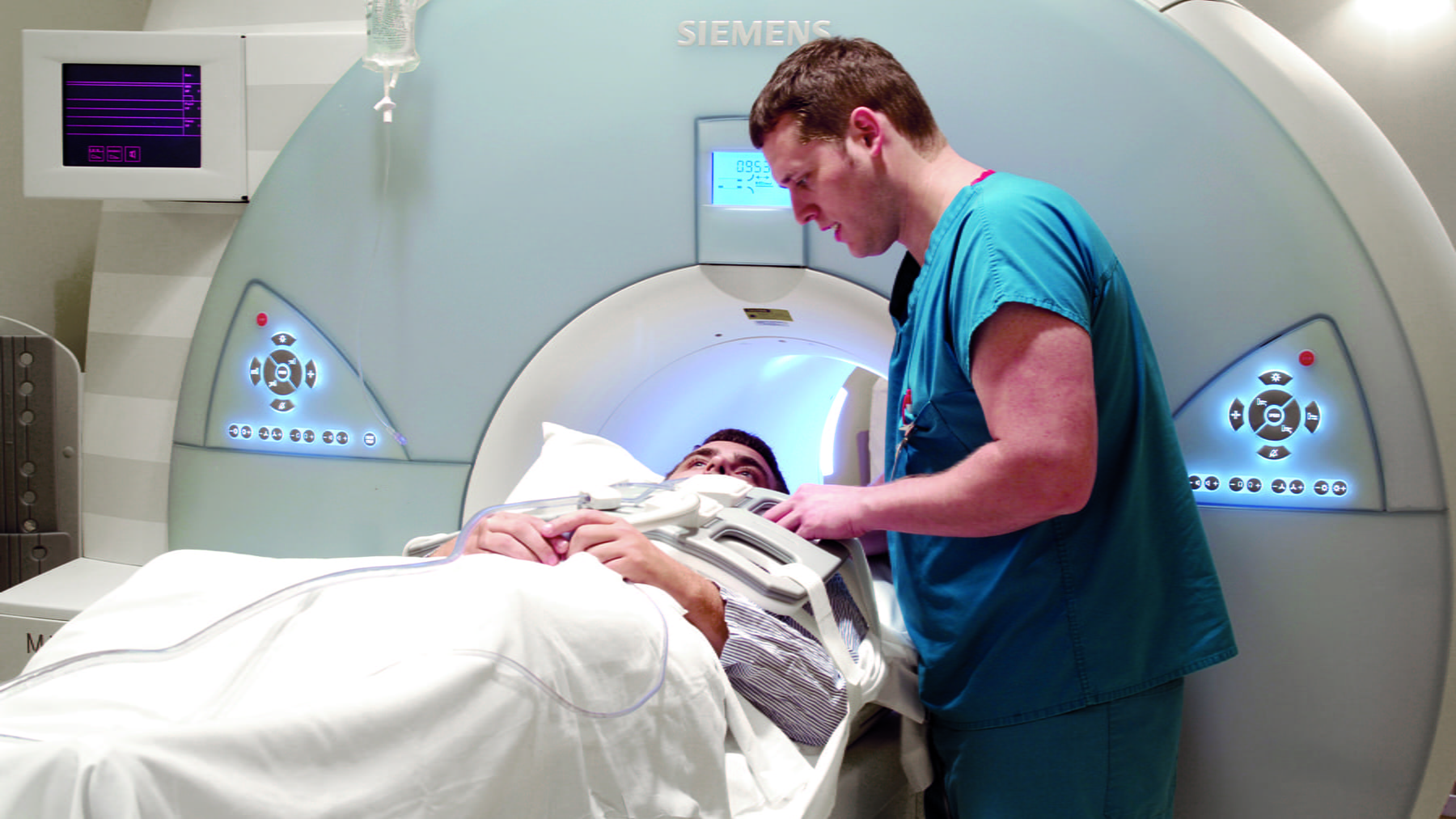
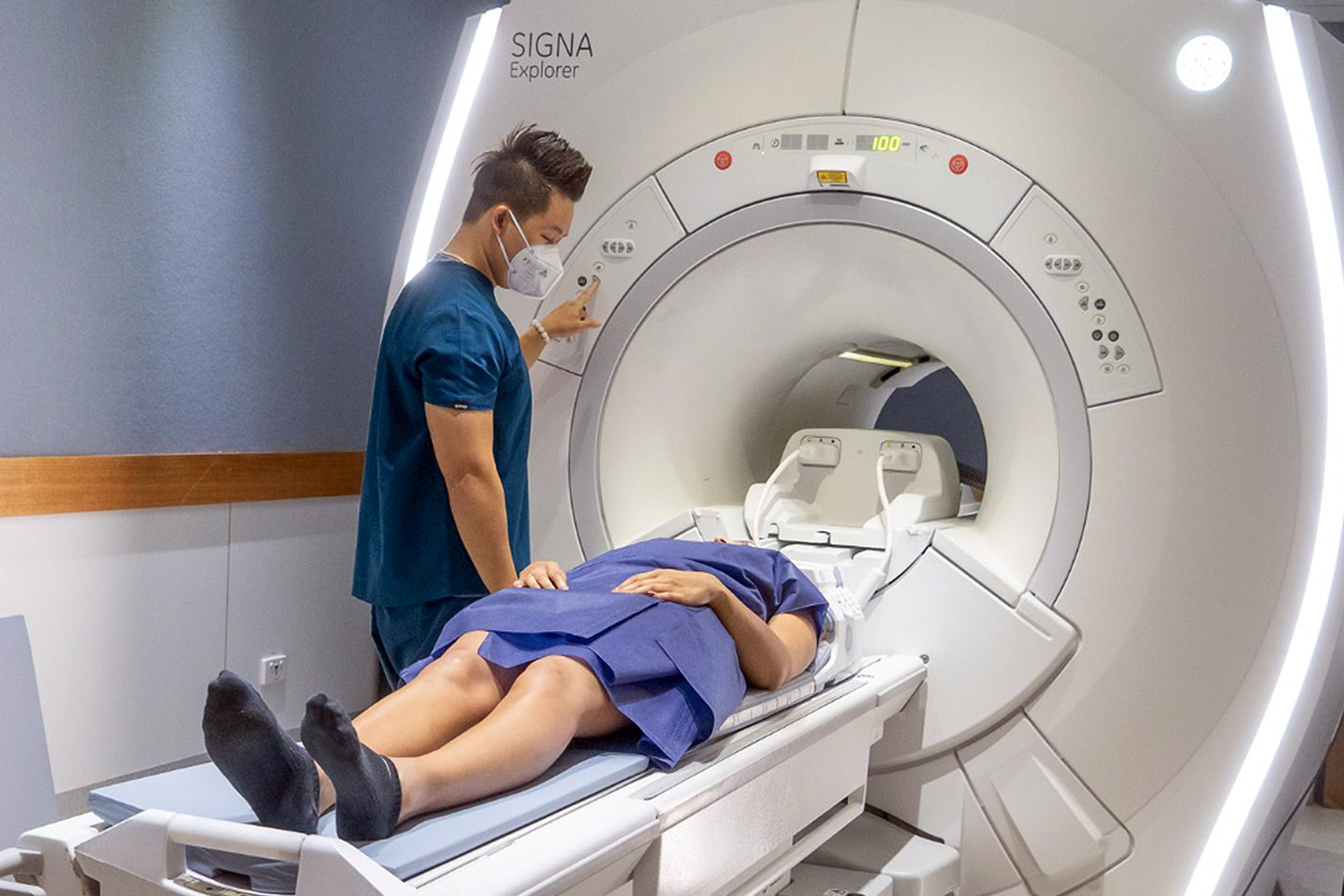
Benefit of Mri

Magnetic Resonance Imaging (MRI) has revolutionized the field of diagnostic medicine, offering numerous benefits for both patients and healthcare professionals.

By utilizing a powerful magnetic field and radio waves Accentrix Malaysia, MRI provides enhanced diagnostic precision, enabling early detection of diseases and conditions. This non-invasive imaging technology allows for detailed visualization of internal structures, facilitating accurate diagnoses and treatment planning.

Furthermore, MRI offers improved patient comfort and safety compared to invasive procedures, making it a preferred choice in the medical community.

What to expect before, during and after an MRI scan

Enhanced Diagnostic Precision

Enhanced diagnostic precision is one of the key advantages of utilizing MRI technology. MRI, or Magnetic Resonance Imaging, provides high resolution imaging that allows for accurate disease identification. With its ability to capture detailed images of the body’s internal structures, MRI enables healthcare professionals to detect and diagnose various conditions with greater accuracy.

The high resolution imaging capabilities of MRI technology allow for the visualization of even the smallest abnormalities or changes in the body. This level of detail is crucial in accurately identifying diseases, such as tumors, lesions, or abnormalities in organs or tissues. By providing clear and detailed images, MRI aids in the early detection and diagnosis of diseases, leading to more effective treatment and improved patient outcomes.

Moreover, MRI offers a non-invasive and radiation-free diagnostic option, making it a preferred choice for patients who desire freedom from potential harmful effects associated with other imaging techniques. Additionally, MRI technology continues to advance, resulting in improved imaging techniques and increased diagnostic precision, making it an invaluable tool in modern healthcare.

Early Detection of Diseases

The early detection of diseases is a crucial aspect of healthcare, and one method that has shown promise is the use of magnetic resonance imaging (MRI). MRI is a non-invasive imaging technique that uses powerful magnets and radio waves to create detailed images of the body’s internal structures. By providing high-resolution images, MRI allows for the identification of abnormalities at an early stage, enabling healthcare professionals to implement timely prevention measures and accurate diagnosis.

This early detection plays a vital role in improving patient outcomes and reducing the burden on healthcare systems. Furthermore, MRI’s ability to visualize soft tissues and organs in great detail makes it an invaluable tool in identifying diseases such as cancer, neurological disorders, and cardiovascular conditions.

Non-Invasive Imaging Technology

Non-invasive imaging technology has revolutionized the field of healthcare by allowing for detailed visualization of internal structures without the need for surgery or other invasive procedures.

One specific application of this technology is high-resolution imaging, which provides incredibly detailed and accurate images of the human body. High-resolution imaging techniques, such as magnetic resonance imaging (MRI), have become indispensable tools in medical research applications.

MRI, for example, utilizes powerful magnets and radio waves to produce detailed images of organs, tissues, and structures within the body. This non-invasive technique is widely used in medical research to study the progression of diseases, monitor treatment effectiveness, and investigate the underlying mechanisms of various conditions.

Advanced MRI Imaging Services Near Me | FMIG

Detailed Visualization of Internal Structures

Detailed visualization of internal structures plays a crucial role in medical research and patient care, allowing for better understanding of the human body and more accurate diagnoses.

One of the most advanced imaging techniques used for this purpose is Magnetic Resonance Imaging (MRI). MRI provides a detailed view of internal organs, tissues, and structures, using a combination of strong magnetic fields and radio waves. This non-invasive imaging technology has revolutionized the field of medicine by enabling improved treatment planning and reducing the need for exploratory surgery.

With MRI, healthcare professionals can accurately assess the extent of diseases, identify abnormalities, and plan targeted interventions. This eliminates the need for unnecessary invasive procedures and enhances patient outcomes.

The detailed visualization provided by MRI enhances medical knowledge, leading to improved treatment strategies and better patient care.

Improved Patient Comfort and Safety

Improved patient comfort and safety is a priority in medical imaging, ensuring that patients receive the highest level of care during their diagnostic procedures.

One area where significant advancements have been made in this regard is the use of Magnetic Resonance Imaging (MRI). MRI is a non-invasive imaging technique that uses strong magnetic fields and radio waves to generate detailed images of the body’s internal structures.

Unlike other imaging modalities such as X-rays or CT scans, MRI does not use ionizing radiation, resulting in reduced radiation exposure for patients. This not only eliminates the potential harmful effects of radiation but also enhances the overall patient experience.

Patients can undergo multiple MRI scans without any negative impact on their health, providing them with peace of mind and freedom from unnecessary radiation exposure.

Conclusion

In conclusion, MRI offers numerous benefits in the field of medical imaging. Its enhanced diagnostic precision allows for accurate and detailed visualization of internal structures, aiding in the early detection of diseases.

As a non-invasive imaging technology, MRI ensures patient comfort and safety. Its ability to provide high-resolution images contributes to improved medical diagnoses and treatment planning.

Overall, MRI plays a crucial role in modern medicine by providing valuable insights into the human body.

…

Chakra Aromatherapy

Aromatherapy is a well-known practice for balancing the body’s energy centers
through calming essential oils. It doesn’t get nearly as much attention as sound
healing and chakra color therapy massage puchong, but when used correctly it can be an amazing tool
for revitalizing your energy, soothing the soul and calming the mind. You can use
chakra aromatherapy in a variety of ways, such as applying oil blends to the body
for massage or using it in your diffuser to create a serene atmosphere in your home.

Essential Oils for Chakra: Heal and Balance with Aromatherapy - Fitsri
Each chakra has its own corresponding essential oil that can be applied directly to
the skin or infused into products you use, like inhalant sprays, bath, hand and face
mists, and candles. The most common way to apply the oils is by inhalation. Simply
sniff the oil from the bottle or add a drop to your hands and inhale deeply to help
balance and center yourself. You can also use the aroma to assist with visualisation,
meditation or strengthening affirmations.
The root chakra is associated with the earth element and relates to your sense of
stability, especially in terms of finances and relationships. Essential oils that are
useful in balancing this chakra include vetiver, orange and ylang ylang. The sacral
chakra relates to your creativity and sensuality. You may experience difficulties
when your sacral chakra is out of balance, such as creative blocks or menstrual
cramps. Oils that can energize this chakra include grapefruit and tangerine.
A healthy, open heart chakra encourages compassion and self-love. The key to
balancing the heart chakra is letting go of fear and resistance. Essential oils for the
heart chakra include neroli and rose, and also frankincense and eucalyptus, which
can stimulate the immune system.

Healing With Essential Oils: A Guide to Aromatherapy - Marin Magazine
The throat chakra is all about communication and expressing yourself authentically.
When it’s out of balance, you can find it difficult to communicate your feelings and
have trouble focusing on other people’s needs. Essential oils for the Throat Chakra
include blue chamomile and ylang ylang, which can promote a sense of tranquility.
Eucalyptus can soothe a sore throat and help you breathe easily.
If you’re unable to let go of your fears, you may have trouble connecting with the
fire chakra. The energy of this chakra connects to our inner flame and helps us move
through life with confidence. It can be aided by breathing exercises, visualising your
fear as water and releasing it into the sea or chanting the word Ram.
The third eye chakra is anchored in our intuition and ability to see beyond the
physical world. It can be balanced with essential oils that have a grounding and
spiritual fragrance, such as spruce, pine, frankincense and sandalwood.
If you want to clear your aura, try blending frankincense, ylang ylang, cedarwood,
sage and bergamot together into a magical blend for a sacred ritual that will calm
the spirit and cleanse the aura. Spritz the aroma around your neck and chest as you
sit in meditation to keep your aura cleansed throughout the day. You can also make
a simple chakra balance spray by mixing frankincense, lavender and eucalyptus with
water in a glass bottle.

…

Types of CCTV Cameras 

There are many types of CCTV cameras on the market today. Choosing the right kind of camera is essential for the highest level of effectiveness. However, it can be hard to know which one is right for you. A few tips may help you in your search. 

A high definition cctv Singapore camera is a great choice if you need to capture a quality image of people entering or exiting your premises. This type of camera comes in a range of resolutions, including 720p and 4K. It can also be used in a courtroom, if you are looking to record video of criminals or other high-risk scenarios. 

Another popular form of surveillance is a dome camera. The dome shaped casing of these cameras allows them to be installed in almost any location, and can be adjusted in a number of ways. One way to use a dome camera is to mount it in a central position, allowing it to cover a wide area without blocking any light. In addition, a dome can rotate 360 degrees, which gives it a wider range of view. They are often found in retail settings and other public spaces. 

Day/night cameras are an alternative to infrared cameras. These cctv sg cameras record colour footage during the day, while blocking IR light to provide a good quality image at night. While these cameras are more expensive, they can be useful if you need to monitor a large area at night. 

If you need to be able to record at a variety of different angles, a pan-tilt-zoom (PTZ) camera can be a great option. PTZ cameras allow you to manually zoom in and out, and you can adjust the angle of the lens remotely. You can also adjust the focus of the camera to ensure the best possible viewing angle. 

High definition cameras can also be a good choice for areas where there is a lot of activity. During the day, these cameras can catch a clear image of people coming and going. At night, they can record images in black and white or in colour. 

Bullet cameras are another type of security system, and they are commonly found in open spaces. Bullets are easy to mount and work well outdoors. Typically, bullets are characterized by their long, cylindrical shape, as well as their water-resistant casing. 

C-mount cameras are similar to bullet cameras, but are more versatile and can be mounted in a variety of positions. Unlike other forms of CCTV, C-mount cameras have detachable lenses, which allows you to change lenses easily. These types of cameras are particularly useful in the manufacturing and logistics industries. Some are even weatherproof, making them ideal for outdoor surveillance. 

When you’re selecting a CCTV camera, you should test it out for any lighting or reflections in the area it will be placed. Also, be sure to check for vandalism, as bullets are susceptible to it. 

Lastly, if you need a device that can capture a good video in low light conditions, consider using an infrared camera. These cameras can repel dust, fog and smoke. Additionally, they can capture a clear picture of things in low light, even at night.

…