Archives 2025

How to Use Bed Bug Spray Effectively: Step-by-Step Guide

To use bed bug spray effectively, first clear clutter and seal cracks to prevent escape routes. Thoroughly inspect mattress seams, bed frames, and baseboards where bugs hide spray for bed bugs. Apply a steady, fine mist to these hotspots without oversaturating surfaces. Wear gloves and make certain good ventilation for safety. After spraying, wash bedding in hot water and monitor regularly to stop reinfestation. Following these precise steps will maximize treatment success and minimize risks; deeper guidance guarantees all-encompassing control.

How to Kill Bed Bugs: Effective Steps for Bed Bug Control

Preparing Your Room for Treatment

Before applying bed bug spray, you need to thoroughly prepare your room to guarantee maximum effectiveness. First, seal cracks and crevices where bed bugs hide and travel—this containment step prevents reinfestation and enhances spray penetration. Use appropriate sealants for gaps in walls, baseboards, and furniture joints. Next, relocate pets to a safe, untreated area to avoid exposure to chemicals https://igreenasia.com/, ensuring their safety and comfort. Remove clutter and wash bedding in hot water to eliminate potential bed bug eggs and nymphs. Vacuum floors and furniture meticulously before treatment but discard vacuum bags immediately after. These preparation measures empower you to apply the spray with precision, reducing bed bug populations efficiently while maintaining your freedom from ongoing pest issues.

Identifying and Targeting Bed Bug Hotspots

When targeting bed bugs effectively, pinpointing their hotspots is essential for successful treatment. Begin with a thorough visual inspection, focusing on common harborages where bed bugs hide during the day. Complement this by employing heat mapping techniques to detect areas with elevated temperatures caused by bed bug aggregation.

Focus your efforts on these critical zones:

  • Mattress seams, bed frames, and headboards where bed bugs cluster tightly.
  • Cracks and crevices in furniture and baseboards, which serve as secure refuges.
  • Electrical outlets and behind picture frames, less obvious but frequent nesting spots.

Proper Application Techniques for Bed Bug Spray

Apply bed bug spray methodically to maximize its effectiveness and guarantee thorough coverage. Begin by adjusting your spray patterning to deliver a consistent, fine mist that reaches cracks and crevices where bed bugs hide. Maintain a steady hand, moving the nozzle evenly across surfaces to avoid over- or under-application. Prioritize edges of mattresses, bed frames, and baseboards, ensuring the spray penetrates seams without saturating. Regular nozzle maintenance is critical—clean the nozzle tip after each use to prevent clogging and uneven dispersion. Inspect the nozzle for damage or wear and replace it if necessary. By mastering precise spray patterning and adhering to nozzle maintenance protocols, you’ll maintain control over application, enhancing the spray’s potency and your freedom from infestations.

Get Bed Bugs Out of Your Mattress: Step By Step Guide – Somnuz Mattress

Safety Precautions When Using Bed Bug Spray

Although bed bug spray can be highly effective, you must follow strict safety precautions to protect yourself and others. Always wear appropriate personal protective equipment—gloves, masks, and eye protection—to minimize exposure to harmful chemicals. Make sure proper ventilation during and after application to avoid inhaling toxic fumes. After treatment, conduct chemical residue testing to confirm that residue levels are safe before re-entering and using treated areas. Key safety measures include:

  • Donning personal protective equipment to prevent skin and respiratory contact
  • Maintaining adequate ventilation to disperse airborne chemicals
  • Performing chemical residue testing to verify safe reoccupation

Post-Treatment Steps to Prevent Reinfestation

Since bed bugs can quickly return if conditions remain favorable, you’ll need to implement rigorous post-treatment measures to prevent reinfestation. Begin by sealing entryways—cracks, crevices, and gaps in walls or furniture—that bed bugs exploit for movement. Use high-quality sealants to make certain these barriers are airtight. Maintain a strict laundry routine: wash all bedding, clothing, and fabrics in hot water (at least 60°C) and dry them on high heat to kill any residual eggs or bugs. Continue this routine weekly for at least a month post-treatment. Regularly inspect your living space, focusing on mattress seams and furniture joints, to detect early signs of return. Combining these steps with your initial spray treatment creates an effective, all-inclusive defense that preserves your freedom from bed bug disruption.

Conclusion

By thoroughly preparing your room and accurately identifying bed bug hotspots, you guarantee targeted and effective treatment. Apply the spray according to recommended techniques, maintaining safety precautions to protect yourself and others. After treatment, follow post-application steps diligently to prevent reinfestation and monitor the area consistently. Adhering to these precise guidelines maximizes the spray’s efficacy, helping you regain control over your environment with confidence and lasting results.

…

Lab Alliance Research Solutions: Advancing Food Safety and Nutritional Studies

Lab Alliance Research Solutions empowers you with advanced technologies like rapid diagnostics and portable sensors for precise, real-time food safety testing. Their collaborative partnerships enhance method validation and nutrient analysis, ensuring accuracy across varied food matrices lab alliance. They tackle emerging contaminants, including microplastics, using cutting-edge sensors and high-resolution mass spectrometry. This approach balances regulatory compliance with public health protection and operational flexibility. Keeping pace with evolving challenges, their expertise equips you to maintain a resilient, trustworthy food system—explore further to see how.

Nutrition/Food Analysis Labs | The LAU School of Arts and Sciences

Innovative Technologies in Food Safety Testing

Although traditional methods have served food safety testing well, Lab Alliance Research Solutions is leveraging innovative technologies to enhance accuracy and speed. You’ll find that rapid diagnostics enable quicker identification of contaminants, reducing the time between sample collection and actionable results. This precision allows you to maintain control over food safety without sacrificing time or resources. Additionally, portable sensors provide real-time monitoring capabilities https://laballiance.com.my/, granting you freedom from cumbersome laboratory constraints. These devices are calibrated for sensitivity and specificity, ensuring reliable data even in field conditions. By integrating these technologies, you gain a streamlined testing process that empowers proactive decision-making. Lab Alliance’s approach balances technological advancement with practical usability, enabling you to safeguard food quality more efficiently and confidently.

Collaborative Research Initiatives and Partnerships

Building on the advancements in rapid diagnostics and portable sensors, Lab Alliance Research Solutions strengthens its impact through collaborative research initiatives and strategic partnerships. You’ll find these efforts pivotal in expanding capabilities and accelerating innovation. Key aspects include:

  1. Industry partnerships that leverage specialized expertise, optimizing resource allocation and fostering technological breakthroughs.
  2. Community collaborations aimed at addressing localized food safety challenges with tailored solutions.
  3. Joint development projects that integrate diverse data sets, enhancing analytical accuracy and reliability.
  4. Knowledge exchange programs facilitating continuous learning and adaptation to emerging food safety concerns.

These collaborations guarantee you benefit from cutting-edge research while maintaining operational flexibility. By engaging multiple stakeholders, Lab Alliance promotes a networked approach that drives progress without compromising your autonomy or commitment to rigorous standards.

Enhancing Nutritional Analysis Accuracy

When you require exact nutritional profiles, enhancing analysis accuracy becomes vital to meet regulatory standards and consumer expectations. You must prioritize method validation to make certain that analytical techniques consistently produce reliable, reproducible results. This process verifies that methods are fit for purpose, accurately quantifying nutrients across diverse food matrices. Additionally, rigorous sample homogenization is essential; it guarantees uniform distribution of components, minimizing variability and improving representativeness. By integrating validated methods with thorough homogenization protocols, you reduce errors caused by sample heterogeneity or procedural inconsistencies. This precision empowers you to confidently interpret nutritional data, supporting transparent labeling and informed choices. Lab Alliance’s commitment to these meticulous practices ensures that your nutritional analyses meet the highest standards, providing the freedom to innovate while maintaining uncompromising quality.

Center for Food Safety and Security Systems | College of Agriculture &  Natural Resources at UMD

Addressing Emerging Contaminants in Food Supply

As new chemicals and byproducts continually enter the food supply, you need robust strategies to detect and manage emerging contaminants effectively. Addressing challenges like microplastic detection and endocrine disruptors requires precise analytical methods and adaptive protocols. Consider these key approaches:

  1. Implement advanced sensor technologies for rapid identification of microplastics in diverse food matrices.
  2. Utilize high-resolution mass spectrometry to quantify trace levels of endocrine disruptors with accuracy.
  3. Develop standardized sampling procedures to guarantee consistent data quality across studies.
  4. Integrate multi-disciplinary data analysis to track contamination sources and predict emerging risks.

Impact on Public Health and Regulatory Compliance

Detecting emerging contaminants like microplastics and endocrine disruptors is only part of the equation; understanding their impact on public health and guaranteeing regulatory compliance is what ultimately protects consumers and sustains industry standards. When you engage with Lab Alliance Research Solutions, you gain access to precise risk communication strategies that clarify potential hazards without restricting your autonomy. Their expertise guarantees policy alignment between scientific findings and regulatory frameworks, so you’re not blindsided by shifting standards. This alignment empowers you to navigate compliance confidently while safeguarding public health. By integrating rigorous data analysis with transparent communication, Lab Alliance helps you make informed decisions that promote safety without compromising your freedom to innovate or choose. This balance is essential for a resilient, trustworthy food system.

Conclusion

You can clearly see how Lab Alliance Research Solutions pushes the boundaries of food safety and nutritional studies through cutting-edge technologies and strategic collaborations. Their focus on improving contaminant detection and nutritional accuracy directly supports public health and regulatory standards. By addressing emerging threats with precision, they help safeguard a safer food supply. Ultimately, their work not only advances scientific understanding but also strengthens the frameworks protecting consumers and enhancing overall food quality.

…

7 Reasons Malaysians Love the Drive-Thru Pawn Concept

If you’re wondering why Malaysians are raving about the drive-thru pawn concept, look no further. This innovative approach offers time-saving convenience, discreet transactions, and easy processes.

Busy individuals can access quick cash on-the-go while enjoying increased safety and security. Experience flexible, personalized service that caters to your needs.

Discover the seven reasons why this concept has captured the hearts of Malaysians.

Time-Saving Convenience

You appreciate the quick service of the drive-thru pawn concept for its time-saving convenience. Instead of waiting in long lines inside a traditional pawn shop Malaysia, you can simply drive up, hand over your items, and receive your cash in a matter of minutes. This efficient process allows you to pawn or sell items without disrupting your busy schedule. Whether you’re on your way to work, picking up groceries, or running errands, the drive-thru pawn concept fits seamlessly into your day.

With the drive-thru option, you no longer have to set aside a chunk of time to visit a pawn shop. This convenience is especially valuable when you have urgent financial needs or unexpected expenses. Being able to access pawn services quickly and easily gives you peace of mind knowing that you have a solution at your fingertips. The time saved by using the drive-thru pawn service can be better spent on other priorities in your life.

Discreet Transactions

Transitioning seamlessly from the time-saving convenience of the drive-thru pawn concept, transactions conducted in this manner ensure discreet dealings for customers.

For those who value privacy and confidentiality, the drive-thru pawn option offers a level of anonymity that traditional pawn shops may not provide. By staying in the comfort of your car, you can conduct your pawn transactions without the need for face-to-face interactions. This discreet approach is particularly appealing for individuals who prefer to keep their financial matters private.

With the drive-thru pawn concept, you can maintain a sense of anonymity while still accessing the financial assistance you need. The process is streamlined and efficient, allowing you to pawn your items quickly and securely without drawing unwanted attention.

Whether you’re pawning jewelry, electronics, or other valuables, the drive-thru option ensures that your transactions remain confidential and discreet. Experience the convenience and discretion of drive-thru pawning for yourself today.

Easy and Hassle-Free Process

You’ll love how the drive-thru pawn concept offers quick transactions, making the process convenient for you.

With a streamlined experience, you can pawn your items without any hassle or delays.

This easy and efficient process is designed to save you time and effort.

Quick Pawn Transactions

When seeking a quick pawn transaction, utilizing the drive-thru pawn concept provides an efficient and straightforward process for Malaysians. With this innovative approach, you can drive up to the pawnshop, hand over your items through the car window, and swiftly receive your cash without even stepping out of your vehicle.

This convenience saves you time and effort, making the pawn transaction quick and seamless. The streamlined process ensures that you can pawn your items in a matter of minutes, AIENB Pawnshop allowing you to carry on with your day without any unnecessary delays.

Embracing the drive-thru pawn concept for quick transactions exemplifies how pawnshops are adapting to modern needs and preferences for a hassle-free experience.

Streamlined Pawn Experience

To experience a streamlined pawn process, simply drive up to the pawnshop window and complete your transaction effortlessly without leaving your vehicle. This innovative concept eliminates the need to find parking or wait in line, saving you valuable time and effort.

As you pull up, a friendly pawnshop employee will assist you through the entire process, ensuring a smooth and hassle-free experience. You can conveniently present your items for evaluation, receive a fair appraisal, negotiate terms, and receive your cash, all from the comfort of your car.

The drive-thru pawn concept offers unparalleled convenience, making pawning items a quick and straightforward task for Malaysians looking to access fast cash without the usual complexities of traditional pawn transactions.

Accessibility for Busy Individuals

You’ll appreciate the Drive-Thru Pawn concept for its accessibility tailored to your busy schedule.

With convenience at the forefront, this service offers quick access during rushed moments, ensuring you can handle your pawn transactions seamlessly amidst your packed day.

Convenience for Time-Strapped Customers

For busy individuals, utilizing the drive-thru pawn service provides a quick and efficient way to manage financial needs on the go. Instead of spending precious time waiting in line at a traditional pawn shop, you can simply drive up, drop off your items, and receive cash in a matter of minutes.

This convenience is especially beneficial for those with packed schedules, allowing you to handle your financial obligations without disrupting your day. Whether you’re rushing to a meeting, picking up the kids from school, or simply juggling multiple tasks, the drive-thru pawn service caters to your time-strapped lifestyle.

With this accessible option at your fingertips, you can quickly address your financial concerns and get back to your busy day with ease.

Quick Access During Rush

When you’re in a rush, the drive-thru pawn service offers quick and convenient access for busy Malaysians needing instant financial solutions. Instead of spending time searching for parking or waiting in line inside a pawnshop, you can simply drive up to the window, complete your transaction swiftly, and be on your way in no time.

This accessibility is a game-changer for individuals with packed schedules who require immediate cash flow without the hassle of traditional pawnshop procedures. Whether you’re heading to an important meeting, picking up your kids from school, or simply juggling multiple responsibilities, the drive-thru pawn service caters to your need for speed and efficiency in managing your financial obligations.

Seamless Transaction Process

Experience a streamlined transaction process through the drive-thru pawn service, catering to your need for quick and efficient financial solutions amidst your busy schedule.

With this innovative concept, you can simply drive up to the kiosk, hand over your items for evaluation, receive an offer on the spot, and swiftly complete the transaction without even leaving your car.

The entire process is designed to save you time while providing a secure and convenient way to access the funds you require. No more waiting in long queues or dealing with complicated paperwork.

The drive-thru pawn service ensures that you can pawn your items with ease, allowing you to focus on your priorities without any unnecessary hassle.

Quick Cash On-The-Go

If you’re in a hurry and need quick cash on-the-go, Drive-Thru Pawn’s convenient service can provide a solution. With Drive-Thru Pawn, you can easily access fast cash without the need for extensive paperwork or long wait times. This innovative concept allows you to drive up to the pawnshop, hand over your items, get them evaluated on the spot, and walk away with cash in hand within minutes.

Whether you have an unexpected bill to pay, need extra money for a sudden expense, or simply want to access quick funds without going through a lengthy process, Drive-Thru Pawn offers a hassle-free way to get the cash you need. The efficiency of the drive-thru service ensures that you can get in and out quickly, making it ideal for individuals with busy schedules or urgent financial needs.

Increased Safety and Security

For you, the Drive-Thru Pawn concept not only offers quick cash but also ensures increased safety and security throughout the pawn transaction process. The convenience of staying in your car while conducting pawn transactions adds a layer of protection. With traditional pawn shops, there may be concerns about personal safety when carrying valuable items or large sums of money in and out of the store. However, with the Drive-Thru Pawn, you can complete your transaction without ever leaving the safety of your vehicle.

Additionally, the Drive-Thru Pawn concept typically includes security measures such as surveillance cameras, security guards, and well-lit areas to deter any potential criminal activity. These security features help create a safer environment for both customers and staff. By minimizing physical interaction and providing a secure space for transactions, Drive-Thru Pawn ensures that your valuable items and cash are handled with care and in a protected setting. Embracing this innovative approach not only streamlines the pawn process but also prioritizes your safety and peace of mind.

Flexible and Personalized Service

When using the Drive-Thru Pawn service, you’ll consistently receive flexible and personalized assistance tailored to your specific needs. This personalized service is one of the key reasons Malaysians are embracing this innovative concept. Whether you need a quick appraisal, want to pawn an item efficiently, or seek expert advice on your valuables, the Drive-Thru Pawn staff is dedicated to meeting your individual requirements.

The flexibility of this service extends to various aspects of the pawning process. You can drive up to the facility at your convenience, without the need for prior appointments, and complete your transactions swiftly. Additionally, the staff is trained to offer tailored solutions based on your unique circumstances, ensuring a seamless and personalized experience every time you visit.

This personalized approach not only saves you time but also makes the pawning process more comfortable and efficient. By prioritizing your needs and preferences, the Drive-Thru Pawn service sets itself apart as a customer-centric solution for all your pawn-related requirements.

Conclusion

So next time you need quick cash or want to pawn your items without the hassle, consider visiting a drive-thru pawn shop.

With its time-saving convenience, discreet transactions, and personalized service, it’s no wonder Malaysians love this innovative concept.

Give it a try and experience the ease and efficiency of drive-thru pawning for yourself.

…

From Manual Blinds to Smart Glass: A Shift in Workplace Design

Discover how workplace design is transforming before your eyes, shifting from manual blinds to cutting-edge smart glass technology. Enhancing employee comfort, boosting energy efficiency smart glass Malaysia, and setting the stage for future trends, this evolution is revolutionizing the way we work.

Experience the benefits of this innovative shift firsthand as you explore the seamless integration of smart glass into modern workspaces.

Smart Blinds and Automated Window Treatments: The Future of Home Comfort -  Into Blinds

Evolution of Workplace Blinds

As workplaces have evolved, the use of manual blinds has transitioned to more advanced solutions like smart glass. Smart glass offers a more sophisticated and efficient way to control light and privacy in modern office spaces.

With manual blinds, adjusting light levels meant physically manipulating the blinds throughout the day. This not only required effort but also disrupted workflow and productivity.

In contrast, smart glass can be controlled remotely with a simple click of a button or even programmed to adjust automatically based on the time of day or the amount of sunlight entering the office. This seamless integration of technology not only enhances the aesthetic appeal of the workplace but also improves energy efficiency by reducing the need for artificial lighting.

The evolution from manual blinds to smart glass represents a significant shift towards creating smarter, more sustainable, and user-friendly work environments that cater to the needs and preferences of modern professionals.

Benefits of Smart Glass Integration

Transitioning from manual blinds to smart glass allows you to experience a seamless integration of technology that enhances workplace efficiency and sustainability. Smart glass provides numerous benefits that can significantly improve your work environment.

Firstly, smart glass helps regulate natural light, reducing glare and eye strain, thereby enhancing your comfort and productivity. With the ability to adjust transparency levels, smart glass also offers privacy on demand, allowing you to maintain focus during important tasks or meetings.

Additionally, smart glass is energy-efficient, as it can dynamically control heat gain and loss, leading to potential cost savings on heating and cooling expenses. By reducing the reliance on artificial lighting and heating systems, smart glass contributes to a more sustainable workplace, aligning with modern eco-friendly practices.

Moreover, the integration of smart glass can enhance the aesthetic appeal of your workspace, creating a sleek and modern environment that boosts employee morale and satisfaction.

Impact on Employee Well-being

When smart glass is implemented in the workplace, it can have a significant impact on your well-being through enhanced comfort and productivity. The ability of smart glass to adjust tint levels based on external light conditions reduces glare, eye strain, and thermal discomfort, creating a more pleasant work environment for you. By providing natural light while minimizing heat and glare, smart glass contributes to a healthier circadian rhythm, potentially improving your sleep patterns and overall mood.

Furthermore, the dynamic nature of smart glass allows for better control over privacy, giving you the option to switch from transparent to opaque with a simple adjustment. This feature enhances your sense of personal space and confidentiality, ultimately reducing stress levels and increasing feelings of security within the workplace.

ULTRA Smart Electric Window Blinds & Door Blinds UK

Energy Efficiency and Sustainability

The integration of smart glass in the workplace enhances energy efficiency and sustainability by optimizing natural light utilization and reducing reliance on artificial lighting. Smart glass technology adjusts tint levels based on sunlight exposure, minimizing heat gain in warmer months and heat loss during colder periods. This dynamic control helps regulate indoor temperatures, reducing the need for extensive heating, ventilation, and air conditioning systems, thus cutting energy consumption and costs.

By harnessing natural light more effectively, smart glass reduces the reliance on artificial lighting sources, lowering electricity usage and subsequently decreasing the carbon footprint of the workplace. The ability to control the transparency of smart glass also aids in managing glare and maintaining comfortable lighting levels, enhancing the overall work environment.

Furthermore, the long-term sustainability benefits of smart glass include decreased energy demands, improved thermal insulation, and enhanced building efficiency. Investing in smart glass solutions not only aligns with eco-friendly practices but also contributes to creating a more environmentally conscious and energy-efficient workplace.

To remain at the forefront of workplace design trends, consider incorporating at least two innovative technologies that optimize energy efficiency and enhance sustainability. One emerging trend is the use of biophilic design, which integrates nature into the workspace to improve employee well-being and productivity. This can involve elements like living walls, natural light, and greenery, creating a more inviting and inspiring environment.

Another key trend is the implementation of flexible workspaces that accommodate different work styles and preferences. This includes movable walls, adjustable furniture, and multipurpose areas that can be easily adapted to suit varying needs. By promoting agility and collaboration, flexible spaces support a dynamic and adaptable work culture.

Furthermore, the rise of smart buildings equipped with IoT sensors and automation systems is revolutionizing workplace design. These technologies enable real-time monitoring of energy usage, occupancy levels, and indoor environmental quality, allowing for data-driven decisions to enhance efficiency and comfort. Embracing these future trends can’t only transform the workplace experience but also drive sustainability and innovation in design practices.

Conclusion

As workplace design continues to evolve, the shift from manual blinds to smart glass offers numerous benefits for employees and organizations. Improved well-being, energy efficiency, and sustainability are just some of the advantages of this modern technology.

With future trends in workplace design leaning towards smart solutions, embracing smart glass integration is key to creating a more productive and comfortable work environment.

Embrace the change and enhance your workplace with smart glass technology.

…

Understanding the Relationship Between Zeta Potential and Suspension Stability

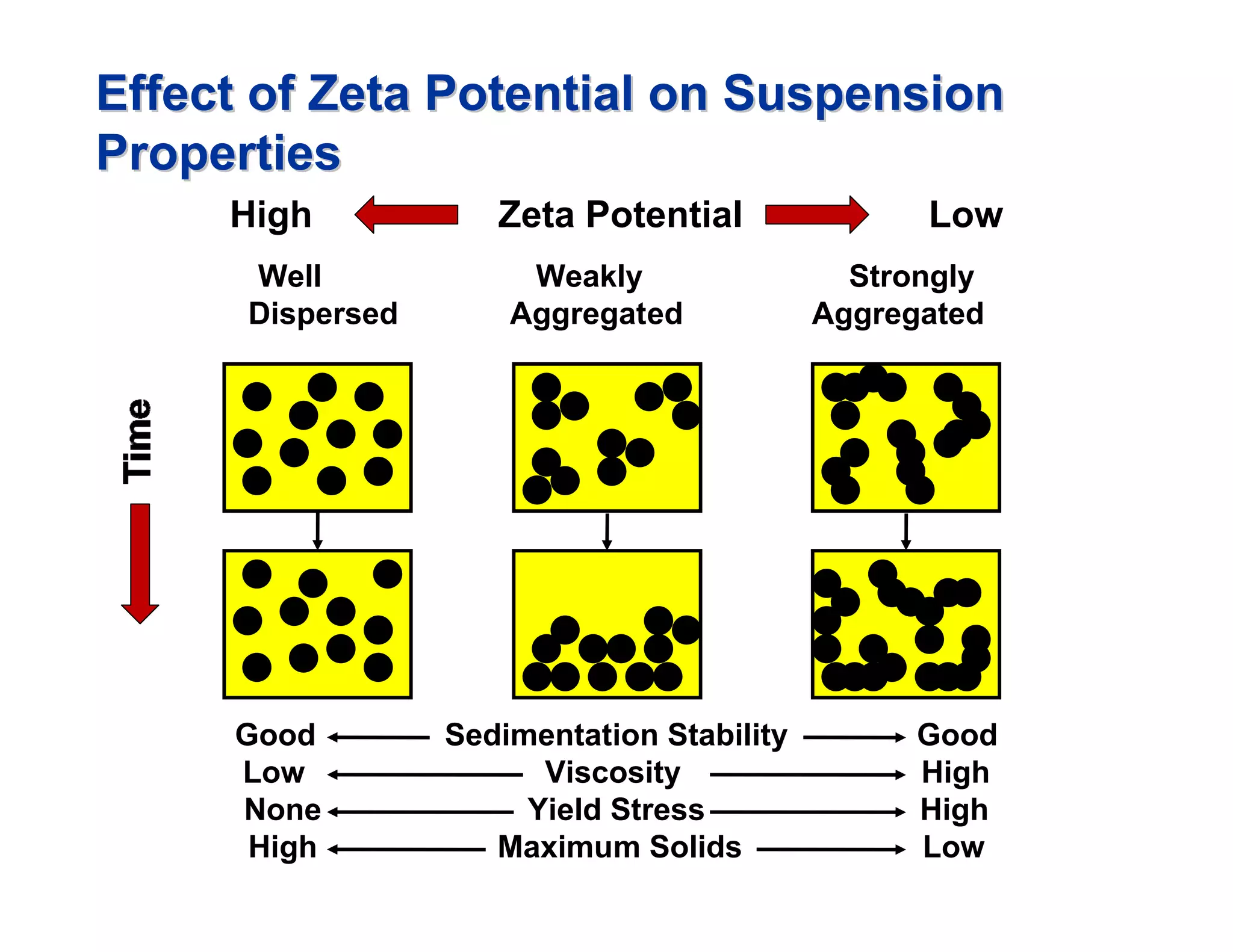
Zeta potential quantifies the electric potential at the slipping plane around dispersed particles and gauges net electrostatic repulsion controlling aggregation and sedimentation. It derives from the surface charge, Stern and diffuse layers, and depends on pH, ionic strength Zetasizer, and specific ion adsorption. High magnitude zeta potentials imply strong electrostatic stabilization; low magnitudes predict rapid flocculation unless steric barriers or adsorbed polymers intervene. Measurement requires controlled electrolyte conditions and appropriate technique, with further detail available below.

Zeta Potential - A Guide

What Zeta Potential Measures and Why It Matters

In colloidal systems, zeta potential quantifies the electric potential at the shear plane surrounding dispersed particles and consequently serves as a direct indicator of the electrostatic repulsion or attraction governing particle interactions. It measures the net interparticle force tendency that predicts aggregation, sedimentation, and stability under given conditions. Practitioners use zeta values to set formulation thresholds and refine process parameters to control suspension behavior. Measurement requires attention to electrokinetic flow conditions and instrument settings to avoid misinterpretation. Calibration Lab Alliance, consistent ionic strength, and awareness of measurement artifacts are essential to produce reproducible, actionable zeta potential data for decision-making.

Electric Double Layer and the Origin of Zeta Potential

Charge on particle surfaces arises from ion adsorption, dissociation, or specific chemical groups, establishing an electrostatic imbalance at the solid–liquid interface. Counterions organize into a compact Stern layer adjacent to the surface and a more diffuse Gouy–Chapman layer extending into the bulk, together constituting the electric double layer. The zeta potential corresponds to the potential at the slipping plane (zeta plane) within the diffuse layer and governs electrokinetic behavior and interparticle interactions.

Surface Charge Formation

At the interface between a solid surface and an electrolyte, an imbalance of ions and surface groups establishes a layered electrical structure that underlies zeta potential. Surface charge formation arises from surface protonation and ion adsorption controlled by pH, ionic strength, and specific ion affinities. Functional groups gain or lose protons, setting intrinsic charge; counterions accumulate to neutralize it. The resulting potential gradient is determined by site density, equilibrium constants, and competitive adsorption. Quantitative control follows from manipulating chemical equilibria and solution composition to adjust surface speciation and the magnitude and sign of the measurable electrokinetic potential.

Stern and Diffuse Layers

Building on surface speciation, the electric double layer organizes ions into a compact Stern layer adjacent to the solid surface and a more diffuse Gouy–Chapman region extending into the bulk solution. The Stern layer reflects specific ionic adsorption and immobilized counterions, forming a rigid capacitance that controls short-range electrostatic interactions. Beyond it, the diffuse layer exhibits graded ion density and potential decay governed by thermal motion and bulk ionic strength. Quantitative control of ionic adsorption and salt concentration modulates the amplitude and spatial gradient of electrostatic potential, enabling predictive adjustments to colloidal repulsion and aggregation tendencies without invoking the zeta plane.

Zeta Plane Location

Within the electric double layer, the zeta plane denotes the notional boundary separating the immobile Stern region from the mobile diffuse layer where fluid shear carries ions and particles. It defines the effective location of the slipping plane and the origin of measured zeta potential under electrokinetic shear. Practical control requires recognizing that ionic strength, specific adsorption, and shear rate shift the zeta plane position, altering electrophoretic mobility. Measurement protocols infer rather than observe this plane; models link surface charge distribution to the slipping plane distance. Calibration and targeted electrolyte adjustments permit reproducible manipulation of suspension stability.

Feature Implication
Stern region Immobilized ions
Zeta plane Slipping plane location
Diffuse layer Mobile ions under shear
Measurement Inferred potential

Overview of Zeta Potential Concept, Measurement Use, and Applications | PDF  | Chemistry | Science

How Ph and Ionic Strength Alter Particle Charges

Particle surface charge varies systematically with pH as protonation and deprotonation of surface groups shift the net ionizable site density. Increasing ionic strength compresses the electrical double layer and screens surface potential, reducing zeta potential magnitude and altering interparticle repulsion. The point of zero charge marks the pH at which net surface charge is zero, a critical parameter linking pH, ionic conditions, and suspension stability.

Surface Charge vs. Ph

When pH shifts the protonation state of surface functional groups, the net surface charge of colloidal particles changes predictably according to acid–base equilibria and site density. Surface charge varies with pH following acid dissociation constants for each functional group; titration curves quantify proton uptake or release and reveal pKa distributions and point of zero charge. Controlled adjustment of pH moves surfaces between net positive, neutral, and negative regimes, altering electrostatic repulsion and adsorption propensity. Quantitative models use site-binding equations and measured titration curves to predict charge versus pH, enabling deliberate selection of pH to achieve targeted surface charge states.

Ionic Strength Screening

Through modulation of solution composition, ionic strength governs the extent to which surface charges on colloids are screened, compressing the electrical double layer and consequently reducing electrostatic repulsion between particles. Increasing electrolyte concentration enhances ionic screening, shortens the Debye length, and decreases the range of Coulombic interactions. Controlled adjustments to ionic strength thus permit predictable tuning of zeta potential magnitude and interparticle forces. Operational decisions—choice of salt type, concentration, and valence—alter screening efficiency and aggregation kinetics. Monitoring conductivity and incremental titration provide practical control. Quantitative estimation of Debye length guides formulation to balance stability against desired aggregation or deposition outcomes.

Point of Zero Charge

At the interface of a solid and its contacting solution, the point of zero charge (PZC) denotes the pH at which the net surface charge is zero, arising from balanced adsorption and desorption of protons and counter-ions on surface functional groups. The PZC defines charge equilibrium boundaries: below it surfaces protonate and acquire positive charge; above it they deprotonate and become negative. Ionic strength shifts the diffuse layer, altering measured zeta potential without changing intrinsic point zero. Control requires adjusting pH relative to PZC and managing ionic composition to maintain desired electrostatic stabilization.

Parameter Effect Control
pH Changes sign Adjust titration
Ionic strength Screens field Add salt
PZC Reference Measure

Role of Adsorbed Polymers and Surfactants in Stability

In the presence of adsorbed polymers and surfactants, particle interactions are governed by a combination of electrostatic, steric, and depletion forces that modify classical DLVO predictions. Adsorbed layers alter surface potential and EDL thickness, enabling steric stabilization when hydrated chains prevent close approach. Conversely, polymer bridging can induce controlled flocculation when chains attach to multiple particles, reducing effective repulsion. Surfactant adsorption shifts zeta potential and can create charge reversal or patchy surfaces, tailoring interaction anisotropy. Depletion attractions from non-adsorbing species further adjust stability windows. Rational formulation balances adsorption strength, layer thickness, and ionic conditions to achieve targeted dispersion behavior.

Measuring Zeta Potential: Methods and Practical Tips

Understanding how adsorbed polymers and surfactants alter surface potential and hydrodynamic behavior leads naturally to the need for reliable zeta potential measurement techniques. The discussion contrasts methods: electrophoretic light scattering via laser Doppler velocimetry for dilute suspensions; electroacoustic spectroscopy for concentrated or opaque systems. Practical tips emphasize calibration, temperature control, ionic strength consistency, and sample homogeneity. Interpretation should separate mobility from corrected zeta via appropriate models. Choices depend on concentration, particle size, and acceptable measurement uncertainty.

Method Best use
Laser Doppler Velocimetry Dilute, clear samples
Electroacoustic spectroscopy Concentrated, opaque samples
Electrophoretic mobility Fundamental parameter
Temperature control Minimizes variability

Strategies to Control Suspension Stability in Formulations

Through targeted adjustment of interparticle forces and bulk solution properties, formulation stability can be engineered to meet specific performance criteria. Control strategies prioritize electrostatic stabilization via zeta potential optimization, steric barriers using adsorbed polymers, and combined electrosteric approaches to suppress particle aggregation. Ionic strength, pH, and specific ion adsorption are tuned quantitatively to shift diffuse layer thickness and surface charge. Temperature effects are managed through solvent selection, thermal stabilizers, and process controls to limit viscosity changes and Brownian motion. Monitoring protocols and predictive models enable iterative refinement, ensuring reproducible suspension behavior under intended storage and application conditions.

Conclusion

Zeta potential quantifies the electric potential at the slipping plane and serves as a practical indicator of colloidal stability by reflecting interparticle electrostatic repulsion. It originates from the electric double layer and is modulated by pH, ionic strength, and adsorbed species such as polymers or surfactants. Accurate measurement requires attention to methodology and sample preparation. Controlling zeta potential and steric contributions enables rational formulation strategies to achieve desired dispersion stability and predict performance under application conditions.

…

Bed Bugs Vs Dust Mites: Key Differences You Must Know

Bed bugs are visible, flat, reddish‑brown insects about 4–6 mm long that feed on human blood at night and hide in mattress seams, bed frames, luggage and electrical outlets dust mite bites vs bed bugs. Dust mites are microscopic (≈0.2–0.3 mm), translucent arachnids that inhabit bedding, upholstery and carpets and produce airborne fecal allergens that trigger rhinitis and asthma. Bed bugs cause bites and blood stains; dust mites cause allergic inflammation. Further sections explain signs, inspection and control options.

Bed bugs vs dust mites: Which pest is living in your mattress? | Tom's Guide

What Bed Bugs Look Like and Where They Live

In confined, dark crevices and along mattress seams, bed bugs (Cimex lectularius and related species) present as flat, oval-bodied insects approximately 4–6 mm long when adult, with a reddish-brown coloration that deepens and becomes more elongated and engorged after feeding; nymphs are smaller, translucent to pale yellow or light brown, and shed multiple exoskeletons as they mature igreenasia. The species displays distinct nocturnal habits, emerging at night to feed on sleeping hosts. Preferred harborage includes mattress piping, box springs, bed frames, headboards, electrical outlets and luggage seams, facilitating dissemination. Observations link concentrated populations to hotel infestations and multi-unit housing where human movement and soft-furnishing complexity enable rapid spread. Morphology and habitat create diagnostic cues for targeted detection and innovative control strategies.

What Dust Mites Look Like and Where They Live

Dust mites present as microscopic, pear-shaped arachnids with translucent exoskeletons and vestigial legs adapted for surface locomotion. They chiefly inhabit bedding, mattresses, upholstered furniture, and carpets where accumulated skin flakes are available. Populations increase in warm, humid microenvironments typically maintained by human occupancy and limited ventilation.

Microscopic Pear-Shaped Bodies

Beneath magnification, dust mites present compact, pear-shaped bodies measuring roughly 0.2–0.3 millimeters in length, with a rounded posterior and a slightly tapered anterior bearing a mouth region and sensory setae; their eight jointed legs attach laterally to the cephalothorax, enabling limited crawling across fibrous substrates. Observations note a translucent cuticle revealing internal organ clusters and dense digestive tracts adapted for enzymatic processing of keratinous detritus. The microscopic pear shaped silhouette optimizes a low-profile interaction with particulate surfaces, reducing detachment under airflow. Comparative study highlights cellular morphology differences from larger acarines: fewer sclerotized plates, relatively larger midgut cell volumes, and specialized glandular cells secreting adhesive and digestive enzymes. These traits suggest design principles for biomimetic micro-adhesion and filtration innovations.

How to Get Rid of Bed Bugs at Home Permanently and Naturally

Common Bedding and Upholstery

Among common household textiles, dust mites appear as translucent, ovate arthropods scarcely visible without magnification and chiefly inhabit mattresses, pillows, upholstered furniture, and carpets where microclimates of warmth and humidity persist. Observations indicate congregations occur within layered fibers and seams, exploiting accumulated keratin and desquamated cells. Material architecture influences density: tightly woven coverings with synthetic blends can reduce voids but may alter moisture retention. Fabric selection consequently becomes a design variable; high-performance textiles engineered for breathability and rapid moisture wicking can limit substrate suitability. Surface treatments affecting stain resistance also modify particle adherence and cleaning efficacy, indirectly impacting mite populations. Inspection protocols prioritize seam lines, piping, and folded interfaces. Data-driven interventions combine targeted cleaning, antimicrobial finishes, and optimized textile engineering to mitigate colonization.

Thrive in Warm Humidity

The microhabitats described in bedding and upholstery create the warm, humid environments that favor mite proliferation. Observations note that dust mites occupy layers rich in skin flakes, where temperature and moisture stabilize within narrow bands. This niche preference informs interventions linking climate control and humidity monitoring to reduction strategies.

  1. Temperature: 20–25°C supports peak metabolic rates.
  2. Relative humidity: sustained >50% increases survival and reproduction.
  3. Substrate: porous textiles retain micro-moisture and organic detritus.
  4. Disturbance: infrequent cleaning permits population growth.

Quantitative assessment using sensors yields actionable data for adaptive mitigation. Engineers and product designers leverage humidity monitoring integrated with HVAC to create responsive microclimate management. The perspective remains empirical: modify environment, reduce resource availability, suppress mite populations.

Health Effects: Bites, Allergies, and Asthma Triggers

The two mite types produce distinct dermatological and immunological outcomes: bed bug feedings yield clustered, pruritic papules with central puncta, whereas dust mite exposure rarely causes bites but elicits eczematous or urticarial responses via allergen sensitization. Common environmental allergen pathways from dust mite fecal proteins precipitate rhinoconjunctivitis and contact dermatitis in sensitized individuals. In sensitized or at-risk patients, persistent dust mite allergen exposure can act as a significant asthma exacerbation risk factor, increasing bronchoconstriction frequency and severity.

Bite Appearance Differences

Although both bed bug and dust mite exposures affect human skin, their bite manifestations differ markedly in morphology and distribution. Examination emphasizes bite patterns and skin reactions as diagnostic cues: bed bug bites typically present as discrete, erythematous papules in linear or clustered arrays, often accompanied by localized pruritus and delayed inflammatory response. Dust mite impacts are rarely direct bites; skin reactions originate from allergen exposure, producing diffuse atopic dermatitis or urticarial eruptions without linear clustering. Observational distinctions guide remediation and innovation in detection.

  1. Bed bug: linear/clustered papules, focal inflammation.
  2. Dust mite: diffuse dermatitis/urticaria, allergen-mediated.
  3. Temporal: bed bug lesions show delayed localized response.
  4. Distribution: bed bug lesions localized to exposed skin; dust mite effects generalized.

Allergy Symptom Triggers

Commonly, allergic symptoms from bed bugs and dust mites arise through distinct mechanisms: bed bug exposure provokes localized immune responses to salivary proteins introduced during feeding, while dust mite exposure triggers systemic IgE-mediated hypersensitivity to fecal and body-derived allergens. Clinically, bed bug reactions present as pruritic papules concentrated at bite sites with histamine-driven erythema; systemic sensitization is uncommon. Dust mite sensitization manifests as rhinoconjunctivitis and generalized urticaria potential, mediated by airborne allergens that persist in bedding and upholstery. Epidemiologically, dust mite responses correlate with indoor humidity and show seasonal peaks in temperate zones; bed bug-related presentations correlate with infestation intensity and human-vector contact frequency rather than classic seasonality. Diagnostic strategies prioritize targeted history, specific IgE testing for mite antigens, and exclusion of alternative arthropod sources.

Asthma Exacerbation Risks

Frequently, exposure to indoor arthropod allergens and bite-related inflammatory mediators precipitates bronchospasm and airway inflammation in susceptible individuals, with distinct mechanisms implicated for dust mites versus bed bugs. Dust mite proteases and fecal antigen fragments drive IgE-mediated airway inflammation, reducing peak flow and increasing variability. Bed bug bite saliva can induce non-IgE inflammatory cascades that secondarily worsen airway hyperresponsiveness. Clinical management emphasizes objective monitoring and targeted interventions.

  1. Measurement: routine peak flow and spirometry to quantify exacerbation risk.
  2. Prevention: environmental control to reduce mite load; targeted pest management for bed bugs.
  3. Pharmacology: optimize medication adherence to prevent loss of control.
  4. Long-term: consider allergen immunotherapy when IgE sensitization to mites is confirmed.

Signs and Evidence to Look for at Home

Inspectors should focus on distinct physical and behavioral indicators to differentiate bed bug and dust mite presence. Visual evidence for bed bugs includes live or shed exuviae, fecal spots (rust-colored), eggs in mattress seams, and linear bloodstains on linens; these correlate with human blood-feeding behavior and nocturnal aggregation. Dust mite evidence is indirect: accumulation of fine particulate allergen in pillows and upholstered surfaces, increased allergenic dust load after prolonged linen rotation lapses, and symptom patterns tied to humidity fluctuations. Preventive signals include clutter reduction reducing harborage, systematic linen rotation, active humidity monitoring, and targeted seasonal cleaning to lower populations. Observations should record location, density, and temporal patterns without performing invasive sampling during initial assessment.

Inspection and Identification Methods

When distinguishing Cimex lectularius infestations from Dermatophagoides spp. presence, the initial inspection prioritizes targeted visual, tactile, and environmental measurements to maximize diagnostic specificity while minimizing disturbance. Inspectors conduct systematic visual inspection of seams, joints, and upholstery, using magnification and LED illumination to detect macroscopic exuviae or fecal spots versus minute mite accumulations. Air and surface sampling quantify allergen load while humidity and temperature loggers assess habitat suitability. When ambiguity persists, laboratory testing confirms species via microscopy or DNA assays. Findings are recorded with geo-referenced photographs and chain-of-custody documentation to support innovative remediation decisions.

  1. Visual inspection: morphology-focused surveys
  2. Tactile assessment: bedding and crevice probing
  3. Environmental monitoring: microclimate metrics
  4. Laboratory testing: microscopy and molecular ID

Effective Prevention Strategies for Each Pest

Typically, preventative measures differentiate according to each species’ ecology and detectability: bed bug strategies emphasize exclusion, routine monitoring, and reducing harborages through structural repairs, encasements, and targeted clutter management, while dust mite prevention focuses on lowering indoor humidity, frequent laundering of textiles at ≥60°C, using allergen-impermeable covers, and regular HEPA-filtered vacuuming to reduce reservoir reservoirs of allergen-bearing particulate. Preventive frameworks prioritize integrated pest management principles: surveillance-driven decision thresholds, environmental modification, and occupant education. For bed bugs, coordinated use of physical barriers, mattress encasements, and professional exclusion services reduces ingress and early establishment. For dust mites, HVAC optimization, dehumidification, and textile protocols minimize favorable microclimates and allergen load. Metrics for success include reduction in detection frequency, allergen assays, and occupant-reported symptom decline.

Treatment and Removal Options Compared

Having outlined prevention frameworks, attention now moves to direct interventions that remove established infestations and mitigate allergen reservoirs; the methods for bed bugs and dust mites differ fundamentally because of each organism’s biology and detectability. Bed bug eradication prioritizes targeted interventions: professional fumigation and heat treatment achieve lethal temperatures for concealed insects, while chemical resistance demands rotation of active ingredients and integrated tactics. Dust mite management emphasizes allergen reduction: high-efficiency laundering, vacuuming with HEPA filters, and mattress encasements to sequester reservoirs. Comparative considerations include feasibility, cost, and residual efficacy. Innovative platforms combine monitoring sensors with adaptive treatment schedules to limit pesticide reliance. The following summarizes principal options and decision drivers:

Targeted eradication and allergen reduction require different strategies — heat and fumigation for bed bugs; laundering, HEPA cleaning, encasements for dust mites.

  1. Professional fumigation for entrenched bed bug populations
  2. Heat treatment targeting all life stages
  3. Mattress encasements for allergen containment
  4. Integrated non-chemical protocols to mitigate chemical resistance

Conclusion

To summarize, bed bugs and dust mites are distinct arthropods with divergent morphology, habitats, and health impacts. Bed bugs are visible, hematophagous, and produce discrete bite patterns and fecal stains; dust mites are microscopic, allergenic, and exacerbate respiratory conditions through fecal proteins. Detection requires targeted inspection and laboratory confirmation. Prevention and remediation protocols differ: exclusion and heat or chemical eradication for bed bugs versus environmental humidity control and allergen-reduction measures for dust mites.

…

Smart Glass for Banking and Finance Offices

In an era of digital transformation, smart glass technology emerges as a revolutionary addition to banking and finance offices. This article explores how smart glass enhances customer experience, bolsters security, and boosts efficiency.

We will delve into its technical specifics, practical applications LED display board Malaysia, and potential future prospects within the banking sector. With its promise of innovation, smart glass holds the potential to redefine the traditional banking environment, offering a new dimension of convenience and freedom.

Smart Glass for Bank Partition Design | Chiefway Malaysia

Understanding Smart Glass Technology

The first step to comprehending the application of smart glass in banking and finance offices is to unravel the technology that underpins it. Essentially, smart glass is a state-of-the-art technology that employs the use of electronically controlled light modulation to switch between transparency and opacity.

This transformative technology is driven by a scientific phenomenon known as electrochromism. When a specific voltage is applied, electrochromic materials can change their optical properties, allowing for a seamless shift between transparency and opacity. This intricate process is facilitated by five superimposed layers: two conductors, two electrochromic layers, and an ion conductor in the middle.

Smart glass is not just a technological marvel, but also a tool for freedom, offering unprecedented control over privacy and light. Its integration in banking and finance offices can foster a more flexible and dynamic workspace, contributing to increased productivity and security. It offers a liberating solution to traditional limitations, like fixed partitions, by providing the ability to instantly customize privacy settings. This fusion of technology and freedom is what makes smart glass a revolutionary addition to banking and finance offices.

Enhancing Customer Experience With Smart Glass

Leveraging smart glass technology, banking and finance offices can significantly enhance customer experience by creating a secure, flexible, and private environment. The integration of this technology into these offices offers a blend of convenience and privacy, two elements highly valued in the banking and finance sector.

From a technical perspective, smart glass operates by applying a small electrical charge that aligns particles in the glass to control light transmission levels. Transitioning from transparent to opaque, it provides instant privacy at the touch of a button. Thus, it ensures confidentiality during sensitive financial discussions, thereby bolstering customer trust.

Furthermore, smart glass offers a modern, sleek aesthetic that enhances the overall ambience of banking halls and finance offices. With its ability to control glare and heat, it contributes to a comfortable environment, improving the customer’s overall experience.

Moreover, since smart glass eliminates the need for curtains or blinds, it promotes a sense of openness and freedom, enhancing the overall banking experience. By integrating this technology, financial institutions can offer an innovative, secure, and private space that caters to the evolving expectations of modern customers.

Smart Glass and Office Security

In the age of heightened cybersecurity risks, smart glass technology presents a compelling case for physical security in banking and finance offices. Beyond their aesthetic appeal and energy efficiency, they provide a robust security layer that can significantly enhance the safety standards of these establishments.

Smart glass is equipped with electronic controls that allow users to instantly switch between transparency and opacity. This feature can be leveraged to protect sensitive information from prying eyes, thereby mitigating risks associated with data breaches. In addition, smart glass can be programmed to turn opaque in response to specific triggers, such as a security breach, providing an immediate physical barrier.

Moreover, smart glass is highly durable and resistant to breakage, thereby offering protection against forced entry. Furthermore, it can be integrated into a comprehensive security system, enabling remote monitoring and control.

The adoption of smart glass technology in banking and finance offices can thus serve as a potent measure to fortify physical security, complementing existing cybersecurity measures. In this way, smart glass can help create an environment where freedom from fear of physical and data security breaches is possible.

Enhancing Bank Security and Privacy with Smart Glass

Efficiency Gains From Smart Glass

Beyond bolstering security, smart glass also contributes to operational efficiency in banking and finance offices. This innovative technology aids in energy efficiency by dynamically controlling light and heat transmission, reducing the need for artificial lighting and air conditioning. This not only lowers energy consumption but also cuts down on costs.

Moreover, smart glass enhances productivity by creating adaptable environments tailored to specific tasks or times of day. For instance, it can be adjusted for optimal light conditions during detailed work or made opaque for privacy during sensitive meetings. This adaptability eliminates the need for blinds or curtains and reduces time wasted on managing physical barriers.

Furthermore, smart glass integrates seamlessly with modern office automation systems. It can be programmed to adjust its opacity or light transmission based on predefined schedules or triggered by sensors such as occupancy or daylight sensors. This automated control frees staff from mundane tasks and allows them to focus on core business activities.

Future Prospects: Smart Glass in Banking

With the industry’s growing interest in advanced technology, banking’s future with smart glass holds promising potential for further efficiency and security enhancements. This transformative technology could revolutionize the interface of banking transactions by providing a seamless, user-friendly experience. Interactive teller machines, already gaining popularity, could be further enhanced with smart glass technology, offering a more intuitive and engaging user experience.

Further, smart glass could be utilized in creating private, secure spaces in open-floor plan banking offices, ensuring client data confidentiality and providing an environment conducive to focused work. In an era where data breaches are a significant concern, the application of smart glass technology could provide an additional layer of security, ensuring that sensitive information is visible only to authorized personnel.

The integration of smart glass also holds promise in the realm of energy efficiency. The ability to adjust light transmission properties could significantly reduce energy costs, aligning with the global push towards environmental sustainability. In conclusion, the future of banking could significantly benefit from embracing smart glass technology, driving increased efficiency, enhanced security, and sustainability.

Conclusion

In conclusion, smart glass technology has the potential to significantly transform the banking and finance sector.

By enhancing customer experience, bolstering office security, and promoting efficiency, this innovative technology could redefine the traditional banking office environment.

As it continues to evolve, the adoption of smart glass in banking is poised to become more prevalent, revealing exciting future prospects for the industry.

It is crucial for banks to embrace this technology to remain competitive and relevant in a rapidly advancing digital age.

…

What Is an Interactive Smart Board? A Complete Beginner’s Guide

If you’re new to interactive smart boards, you’ve come to the right place. This guide will walk you through everything you need to know about these innovative tools interactive smart board.

From their features and benefits to tips for effective use, you’ll gain a comprehensive understanding of how interactive smart boards can enhance your learning or business experience.

Get ready to explore the world of interactive technology and unlock its full potential with this beginner’s guide.

The interactive whiteboard store

Understanding Interactive Smart Boards

If you frequently find yourself in classrooms or meeting rooms, you may have encountered interactive smart boards. These high-tech boards have revolutionized the way information is presented and shared.

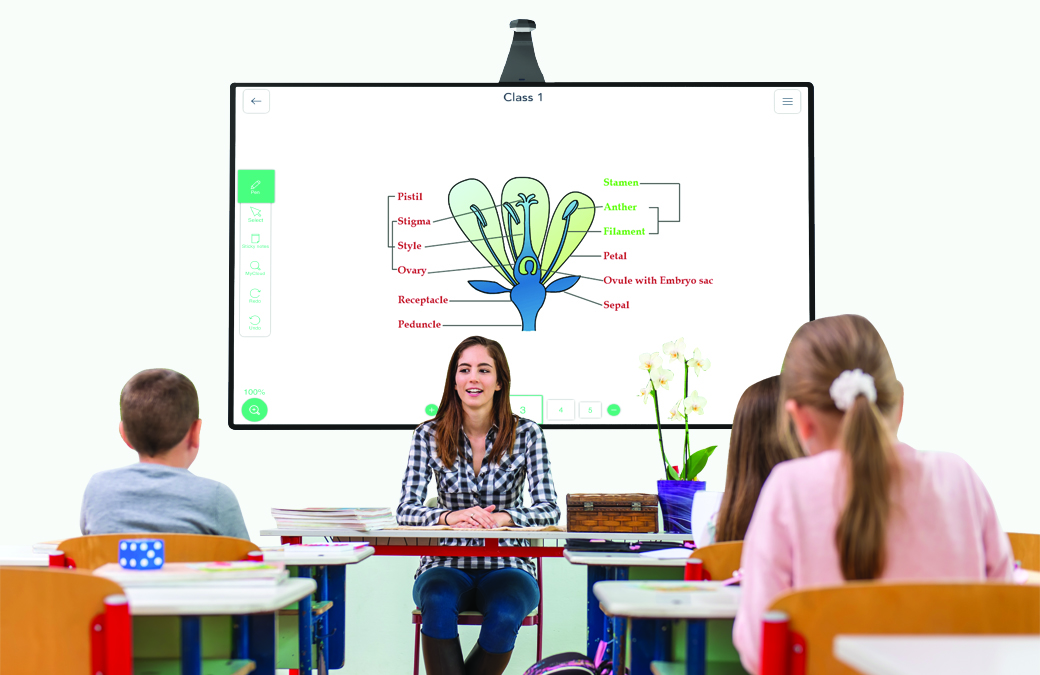
By allowing users to interact directly with the board through touch or a stylus interactive board, interactive smart boards offer a dynamic and engaging experience. You can write, draw, drag-and-drop, and manipulate content with a simple touch, making presentations more interactive and collaborative.

With the ability to display multimedia content, access the internet, and integrate with other devices, interactive smart boards provide a versatile platform for learning and brainstorming. Whether you’re a student, teacher, or professional, interactive smart boards offer a seamless and efficient way to communicate ideas and information.

Features of Interactive Smart Boards

To enhance your interactive experience with smart boards, explore the diverse features that these innovative tools offer. Interactive smart boards come equipped with touch capabilities, allowing you to interact directly with the content displayed.

They often include handwriting recognition, enabling you to write naturally on the board, which the system then converts to digital text. Furthermore, these boards typically support multimedia integration, letting you incorporate videos, images, and audio into your presentations seamlessly.

Many interactive smart boards also offer remote collaboration features, allowing multiple users to interact with the board simultaneously, regardless of their location. Additionally, some models come with built-in interactive whiteboard software that provides tools for annotating, drawing, and creating engaging presentations.

These features collectively make interactive smart boards versatile tools for enhancing collaboration and engagement in various settings.

Benefits of Using Smart Boards

You frequently experience enhanced collaboration and engagement by using interactive smart boards due to their versatile features and interactive capabilities. Smart boards facilitate seamless interaction, allowing you to brainstorm ideas, annotate content, and work collectively in real-time.

By integrating multimedia elements, such as videos and interactive presentations, smart boards cater to diverse learning styles, making lessons more engaging and impactful. The ability to save and share content digitally fosters efficient note-taking and collaboration, eliminating the need for manual transcriptions.

Smart boards also promote inclusivity, enabling all participants to contribute equally through interactive tools like polls and quizzes. Overall, the benefits of using smart boards extend beyond traditional teaching methods, enhancing participation and knowledge retention in various settings.

Interactive Whiteboards | Smart Boards for Classrooms | Samsung Business |  US

Tips for Effective Smart Board Use

When utilizing interactive smart boards, consistently engage with the audience to maximize participation and learning outcomes. Encourage students to interact by allowing them to come up to the board or use individual devices to contribute.

Utilize a variety of multimedia elements such as videos, interactive games, and quizzes to cater to different learning styles. Keep your content concise and visually appealing to maintain interest and focus. Incorporate real-world examples and practical activities to make lessons more engaging and relatable.

Encourage collaboration by enabling students to work together on tasks and projects using the smart board features. Regularly assess comprehension through interactive polls or quizzes to ensure understanding. By actively involving your audience, you can create an interactive and dynamic learning environment that enhances educational outcomes.

Implementing Smart Boards in Education and Business

Using interactive smart boards can revolutionize the way tasks are conducted in both educational and business settings.

In education, these boards enhance student engagement through interactive lessons, multimedia content, and real-time collaboration. Teachers can create dynamic presentations, annotate content, and provide instant feedback. Additionally, smart boards facilitate differentiated instruction, catering to diverse learning styles.

In a business context, these boards streamline meetings by enabling seamless presentations, brainstorming sessions, and data sharing. They enhance communication, foster creativity, and improve decision-making processes. Moreover, smart boards offer remote collaboration capabilities, allowing teams to work together regardless of location.

Conclusion

So, now that you have a better understanding of interactive smart boards, you can see how they can revolutionize the way we learn and work.

With their interactive features and benefits, smart boards offer a more engaging and collaborative experience for users.

By following the tips for effective use and implementing them in education and business settings, you can take full advantage of the capabilities of smart boards to enhance productivity and learning outcomes.

…

Private Vs. Group Chinese Tuition: Which One Works Best

In the realm of Chinese language education o level chinese tuition, the decision between private tuition and group classes poses a significant dilemma for learners seeking optimal outcomes.

This article delves into the advantages of personalized instruction in private settings versus the benefits of collaborative learning in group environments, ultimately guiding readers through the considerations necessary to determine the most effective approach for their language acquisition journey.

Explore the nuances of private versus group Chinese tuition to make an informed decision tailored to your individual needs.

Primary school 7-12Yrs - Hao Chinese Tuition

Benefits of Private Chinese Tuition

Opting for private Chinese tuition offers personalized attention and tailored instruction that caters specifically to the individual learner’s needs https://www.yanzimandarin.com/. Unlike group classes where the pace is often set for the majority, private tuition allows for flexibility and customization.

This one-on-one approach grants the freedom to focus on areas of difficulty, delve deeper into specific interests, and progress at a comfortable speed. The student can ask questions openly without the fear of judgment, fostering a safe environment for exploration and growth.

Additionally, the tutor can adapt teaching methods to suit the learner’s preferred style, ensuring maximum comprehension and retention. Ultimately, private Chinese tuition empowers individuals to take charge of their learning journey and achieve their language goals with confidence and proficiency.

Advantages of Group Chinese Classes

Group Chinese classes foster a collaborative learning environment that encourages interaction and peer support among students. By working together in a group setting, students have the opportunity to engage in discussions, practice speaking with one another, and receive immediate feedback. This collaborative atmosphere can enhance motivation and accountability, as students are encouraged to participate actively in group activities and assignments.

Additionally, group classes often provide a more dynamic learning experience through group projects, role-playing exercises, and group discussions that allow students to learn from each other’s perspectives and experiences. Furthermore, group classes can be more cost-effective than private tuition, making them a more accessible option for individuals seeking to learn Chinese in a supportive and interactive environment.

Factors to Consider When Choosing

When deciding between private and group Chinese tuition, it is crucial to take into account various factors that can influence the effectiveness of your language learning experience. Consider your learning style and preferences – private lessons offer personalized attention, catering to individual strengths and weaknesses, while group classes provide opportunities for interaction and peer learning.

Evaluate your goals and timeline – private tuition may progress faster due to focused attention, but group classes offer a more social and collaborative environment. Budget is another key factor – group classes are typically more cost-effective, while private lessons offer tailored instruction at a higher price.

Ultimately, the choice between private and group Chinese tuition depends on your specific needs, learning style, and objectives.

Chinese Language Learning in Singapore | Hao Chinese Tuition

Personalized Learning Experience Vs. Group Dynamics

For individuals seeking to enhance their Chinese language proficiency, the contrast between personalized learning experiences and group dynamics plays a pivotal role in determining the most effective tuition approach.

Personalized learning offers tailored lessons that cater to individual needs and learning styles. This approach allows students the freedom to focus on specific areas of difficulty and progress at their own pace.

On the other hand, group dynamics in Chinese tuition foster collaboration, communication, and peer learning. Group settings provide opportunities for interactive practice, cultural exchange, and a supportive learning environment.

Ultimately, the decision between personalized learning experiences and group dynamics depends on each individual’s preferences, goals, and learning preferences. It is essential to consider which approach aligns best with one’s learning style and objectives to maximize Chinese language acquisition.

Which Option Is More Cost-Effective?

Transitioning from the comparison of personalized learning experiences and group dynamics in Chinese tuition, the assessment of cost-effectiveness between private and group settings becomes a crucial factor in determining the most suitable approach for learners.

Private Chinese tuition tends to be more expensive due to the one-on-one nature of the lessons, providing undivided attention to the individual student.

On the other hand, group Chinese tuition offers a more cost-effective option as the expenses are shared among the participants. The group setting allows for collaborative learning, interaction, and shared resources, making it a preferred choice for learners seeking a more economical option without compromising on the quality of education.

Ultimately, the decision between private and group Chinese tuition should consider the balance between cost and individual learning needs.

Conclusion

In conclusion, when deciding between private Chinese tuition and group classes, it is important to consider the benefits of personalized learning in private tuition and the advantages of group dynamics in group classes.

Factors such as individual learning preferences and budget should also be taken into account.

Ultimately, the choice between private and group Chinese tuition depends on the student’s specific needs and goals.

…

The Benefits of Professional Pet Grooming for Your Furry Friend

Professional pet grooming offers numerous advantages for your beloved companion. From promoting healthier skin and coat to detecting potential health issues early, the benefits are extensive pet universe starlux. Stress-free nail trimming, expert styling, and grooming tips contribute to your pet’s well-being.

This article explores how professional grooming can enhance your furry friend’s overall health and happiness, providing essential care while ensuring they look and feel their best.

Top 10 Benefits of Dog Grooming - OH MY PET Grooming

Healthier Skin and Coat

Regular professional pet grooming can significantly improve your furry friend’s skin and coat health. Grooming sessions not only keep your pet looking tidy and well-maintained but also play a crucial role in maintaining their overall well-being. Professional groomers are trained to identify skin issues early on, such as dryness, irritations, or infections, allowing for prompt treatment and prevention of potential complications.

By regularly grooming your pet, dead skin cells, dirt, and excess oils are removed, preventing matting and tangling of the fur, which can lead to skin irritations and discomfort https://starlux.petuniverse.com/. Professional grooming also includes proper brushing techniques that stimulate blood flow to the skin, promoting a healthier coat. Trimming your pet’s nails during grooming sessions helps prevent overgrowth, which can cause pain and difficulty walking.

Additionally, grooming allows for the early detection of parasites like fleas and ticks, ensuring timely intervention to protect your furry friend from potential health risks. Overall, investing in professional pet grooming not only enhances your pet’s appearance but also contributes to their skin and coat health, keeping them happy and comfortable.

Early Detection of Health Issues

One may not realize the importance of professional pet grooming until health issues are detected early on. Regular grooming sessions with a professional groomer provide an opportunity for a thorough physical inspection of your furry friend. Groomers are trained to look for abnormalities such as lumps, skin irritations, unusual growths, or parasites that may go unnoticed by pet owners. Detecting these issues early can be crucial in preventing more serious health problems down the line.

Professional groomers are often the first line of defense in spotting health issues that may not be visible to the untrained eye. They can alert pet owners to potential problems, allowing for prompt veterinary care and intervention. By catching health issues in their early stages, treatment can be more effective, less invasive, and potentially less costly.

Stress-Free Nail Trimming

Professional pet groomers employ techniques to ensure stress-free nail trimming for your furry companion. Nail trimming is an essential part of pet grooming that, if done improperly, can cause discomfort and stress to your pet. Professional groomers are trained to handle this task with care and precision, making the experience as stress-free as possible. By using proper tools and techniques, groomers can trim your pet’s nails efficiently without causing pain or anxiety.

One technique that professional groomers use to ensure stress-free nail trimming is desensitization. By gradually introducing your pet to the nail trimming process in a positive and gentle manner, groomers can help reduce any fear or anxiety your pet may have. Additionally, groomers know how to identify the quick of your pet’s nails to prevent overcutting, which can be painful and lead to bleeding.

dog grooming Archives - I Want Groomo

Professional Styling and Grooming Tips

When it comes to professional pet grooming, expert groomers provide valuable styling tips and techniques to enhance your furry friend’s appearance and overall well-being. One essential tip is regular brushing to prevent mats and tangles, maintaining a healthy coat and skin.

Groomers often recommend specific grooming tools tailored to your pet’s coat type, such as slicker brushes for long-haired breeds or rubber curry brushes for short-haired ones. Professional groomers also emphasize the importance of regular baths using pet-safe shampoos to keep your pet’s skin clean and free of irritants.

Tailoring grooming products to your pet’s specific needs can help prevent skin issues and maintain a shiny coat. Additionally, expert groomers advise on proper ear cleaning and teeth brushing techniques to promote good hygiene and prevent infections.

Improved Overall Well-Being

To ensure your furry friend’s optimal health and happiness, prioritize their improved overall well-being through professional pet grooming services. Beyond just aesthetics, regular grooming plays a crucial role in maintaining your pet’s physical and mental well-being. Professional groomers are trained to not only enhance your pet’s appearance but also to address potential health issues that may go unnoticed. By keeping your pet clean and well-groomed, you can prevent skin irritations, matting, and infections. Additionally, grooming sessions provide an opportunity for professionals to check for any abnormalities such as lumps, ticks, or parasites, allowing for early detection and treatment.

Furthermore, grooming promotes better circulation and skin health, contributing to your pet’s overall comfort and happiness. This physical care is closely linked to mental well-being, as a clean and well-groomed pet is more likely to feel relaxed, confident, and content. Investing in professional grooming services not only benefits your furry friend’s appearance but also supports their holistic well-being, ensuring they lead a healthy and fulfilling life.

Conclusion

In conclusion, professional pet grooming offers numerous benefits for your furry companion. These benefits include healthier skin and coat, early detection of health issues, stress-free nail trimming, professional styling, and grooming tips, and improved overall well-being.

By investing in regular grooming sessions, pet owners can ensure their pets are not only looking their best but also maintaining their health and well-being. It is a worthwhile investment that contributes to the overall happiness and longevity of your beloved pet.

…